As similar as these two marketing terminations sound, they’re anything but.  

Marketing technology (MarTech) and Advertising technology (AdTech) reach a common line, however when both approaches are used interchangeably to create specially tailored ads according to the needs of the target market.  

But first, let’s explore what it is.  

What are the differences between MarTech and AdTech? 

It’s simple, really! 

MarTech refers to the tools and techniques one can use to optimize and execute digital marketing campaigns while AdTech refers to the technology one uses to reach the right customers with a brand’s campaigns and messages.  

Tell me more about MarTech! 

Basically, MarTech refers to the technology used from the point of lead capture up from the sales funnel until conversion including the following: 

  1. Email marketing tools  
  2. Lead magnets  
  3. Digital marketing analytics tools 
  4. Customer data platforms 
  5. Social media management tools  
  6. Marketing automation programs  
  7. Content marketing tools  
  8. CRM software 

You might have heard the term “marketing stack” or “MarTech stack”.  

What this means: a group or series of technologies deployed by a business to capture and convert the target audience into leads.  

An example of a MarTech stack could involve an opt-in form on a website’s landing page which would lead customers to an email marketing newsletter where they will receive future promotions to “entice” them into buying the products or services displayed.  

It could also include a data management tool to store these precious first-party data for future remarketing needs.  

Did you know? 

There are more than 8,000 tools to help a company in MarTech and its spending will only rise higher in the near future. Unbelievable?  

How about the fact that its value was reported at $344.5bn worldwide as of 2021? 
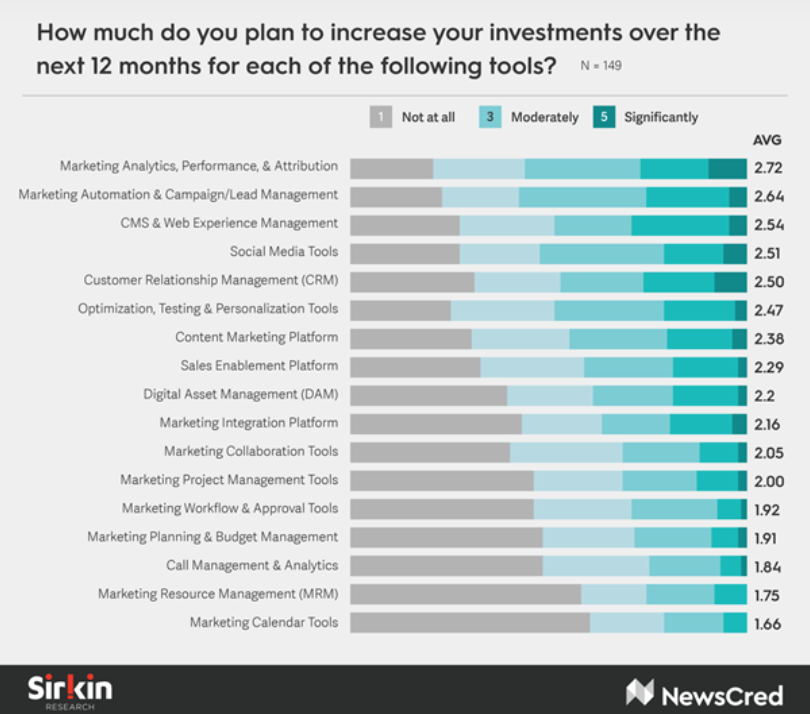
Just like its cousin, AdTech, MarTech is truly an important piece of the pie for any marketers or businesses out there.  

To ignore MarTech would not be wise in a world of digital connoisseurs.  

What are some popular examples of MarTech? 

Capitalizing on MarTech’s ultimate goal which is to lead customers through the final stage of the sales funnel (conversion), here are some well-known examples of MarTech tools! 

  1. Ahrefs is a search engine optimization tool that enables businesses to keep an eye on the performance of their content, whether it is SEO-optimized for audiences. 
  2. Mixpanel is a business analytics tool that allows significant data analysis to track the effectiveness of campaigns and more. 

Read more: Social Proof: A Marketing Must? 

How is it different from AdTech, then? 

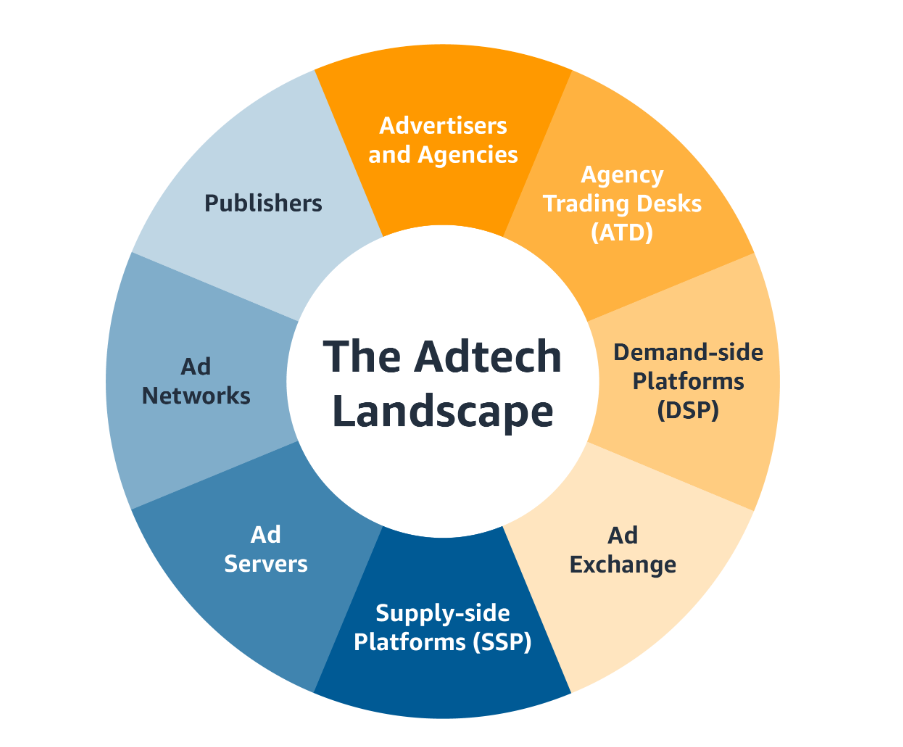
Essentially, AdTech points to all systems that provide analytical and management tools for all the different kinds of ads and programmatic ad buys. 

AdTech focuses on the analysis, management, and execution of advertisements based on the ad requirements across different ad buy platforms and types. 

There are 2 involved players in this ecosystem:  

  1. Advertiser refers to the demand side, whose main goal is to maximize the effectiveness and success of the ads by ensuring campaign targets are met 
  2. Publisher refers to the supply side, whose main goal is to cater to the demands of the advertiser and thus earn a share of the revenue by providing the platforms for the advertisers to run advertisements 
5 areas where MarTech and AdTech diverge 

  • Role 

AdTech focuses on creating more personalized, effective, and well-reached ads. On the other hand, MarTech focuses on cultivating and improving leads, ushering a customer along the sales funnel through activations like: 

  1. Social media 
  2. Email marketing 
  3. Earned media 

  • Media 

AdTech refers to paid media like PPC, sponsored posts, and display ads while MarTech refers to unpaid media like organic search, email marketing, and social media postings.  

However, in the new digital age, this area is likely to result in a convergent. An example of this would be to use an organic social media posting and paid-for-promoted posts on the same platform. 

  • Target Audience 

AdTech looks at a broader target, with an aim to reach the brand’s accurate audience through various advertising campaign strategies.  

Meanwhile, MarTech looks at a more personalized target audience who have already expressed intent and interest to receive the brand’s message. An example of this would be those who have signed up for a brand’s email newsletter (expressing intent to join). 

  • Billing Model 

A typical MarTech solution looks at a fixed monthly rate via the cloud, while AdTech is usually charged at metrics like CPM or a percentage commission on top.   

The amount you pay for your ads to run may heavily impact the results of your ads’ performance.  

  • Management 

Often, MarTech is run by in-house marketing teams as it deals directly with a customer’s first-party data (through emails, opt-in forms, and more).  

This typically varies with AdTech, which is oftentimes managed by third-party agencies with the capacity and resources to properly execute the ad campaign from start to finish. 

That’s exactly what we do, and more 

We create a clear, focused marketing strategy by combining our expertise with your knowledge of your business. Talk to us today, and we’ll make your digital dreams come true! 

If you’re interested in the ad-tech ecosystem or simply a consumer who’s been annoyed at ads following your every move, you’d probably know there’s a battle raging over how and whether advertisers should be able to target consumers on the web.  

It’s no surprise – we’ve talked about the upcoming establishment of Google’s Privacy Sandbox Initiative – the Google FLoC or Federated Learning of Cohorts – arriving in January 2022.  

Eliminating the use of third-party cookies, the Google FLoC aims to group users based on their digital footprint (for those using Google’s ecosystem of apps and services) into categories or cohorts for advertisers. 

These cohorts will then receive targeted ads based on behavioral quantifiers or specific demographics such as age and location, while still maintaining individual anonymity.  

Now, this seems pretty amazing but if this talk of keeping consumers privacy at the top of the agenda sounds slightly…. too good to be true, well, you’re far from alone. 

Related topic: Are We the Next FLoC of Sheep? Google Chrome FLoC Explained

Advertising Programmatic

While FLoC is newly announced, it’s part of a trend shaping privacy wars.  

Unsurmountable pressure awakened by the modern privacy-conscious user can indeed push ad-tech giants back on their cookievasion.  

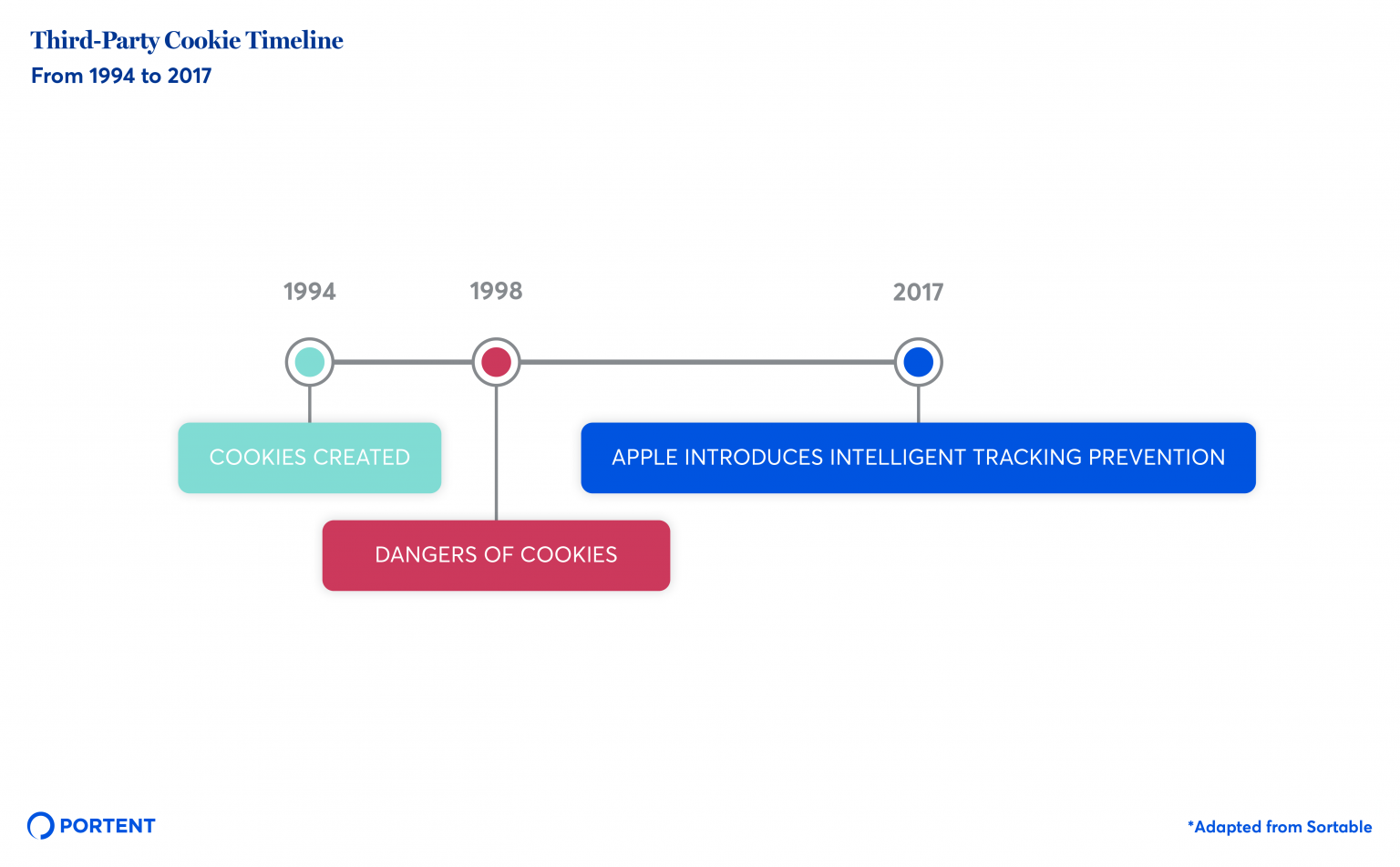
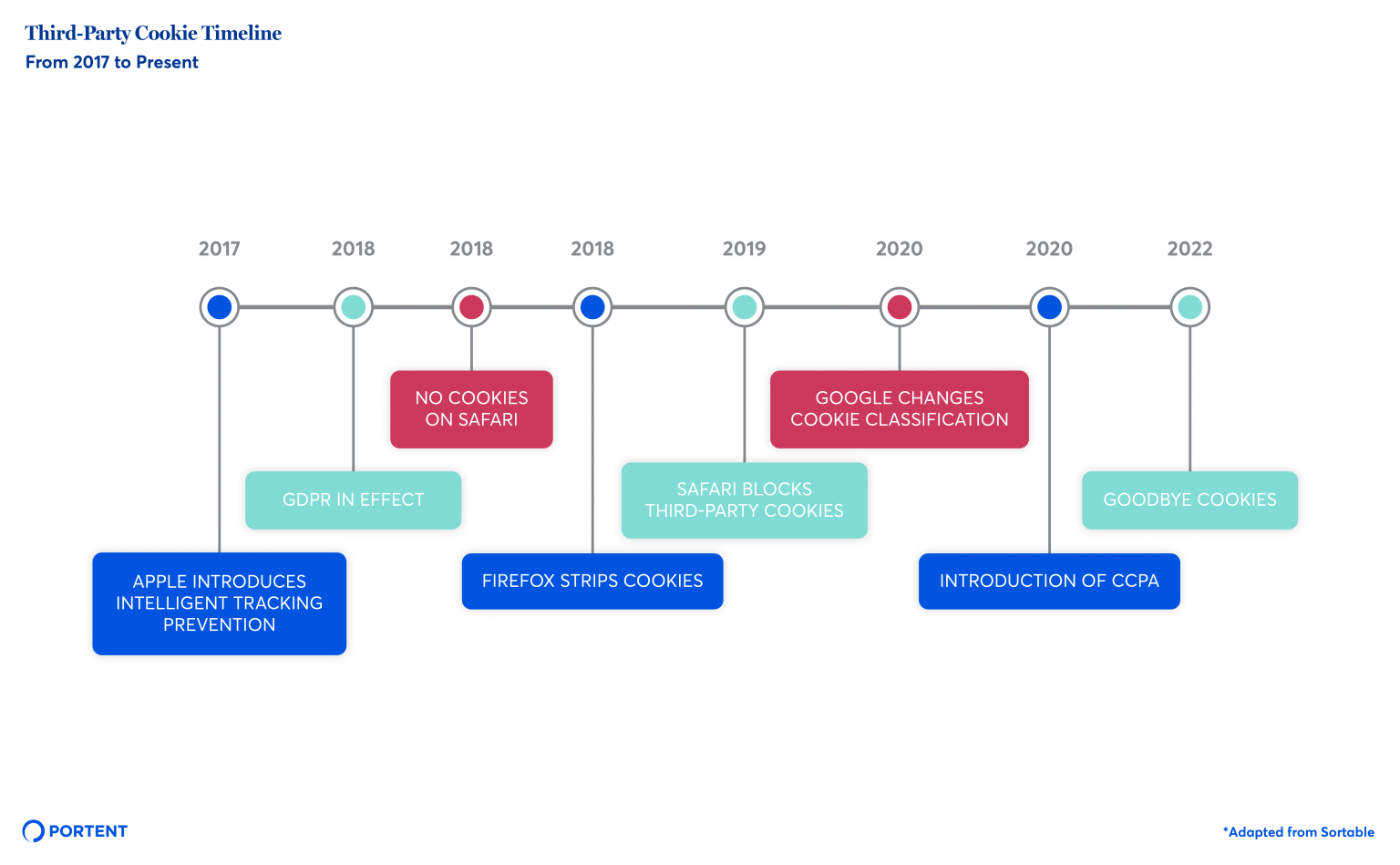
Since cookies first made their appearance back in 1994, governmental legislation and data privacy laws starting in 2018 enabled roadmaps in place to prevent future abuses and excess in power over an individual’s data. The road has been rocky ever since the beginning but is slowly pointing to a growing digitally-conscious society. 

Image source: Portent.com, 2021 

FLoC is coming, we get it. But how does that impact my programmatic advertising campaigns? 

The introduction of Google’s FLoC doesn’t necessarily impact your programmatic advertising campaigns now, but it will soon.  

As the saying goes, “When one door closes, another one opens.”  

Essentially, what has been around for the longest time since the dawn of programmatic will end up replacing third-party cookies, effectively averting the cookiepocalyse. 

Programmatic Advertising Solutions

Enters first-party data, to the rescue. 

Before we dive into just how important first-party data is to a business now that third-party cookies have left the building, let’s take a quick look at the data types. 

First-party data

Also known as 1P data that stems from everything a consumer shares willingly to a brand that is then compiled through software and systems, owned by the business itself.  

These data collected such as digital interactions, purchase history, behavior, and preferences can be used to produce quality messages, ads, and content that is what the brand’s target market is looking for.

Second-party data

First-party data that is shared by a trusted partner.  

This data is valuable as it helps a brand achieve greater scale (more than just from the brand’s efforts) with the benefit of having the content accessible to the brand alone. 

Third-party data

Data that is not shared directly by a customer, but is bought from an outside source that collects the data, aggregates, segments, and sells it to companies for their advertising use.

Programmatic Ads Platform

In other words, first-party data is yours, it’s free, and the best part of it – it’s fresh.  

Freshness can make all the difference between a customer who is interested to solve a pressing need via your brand’s products or services and a customer who has already closed that need some time back.  

Closer to home in Asia, the importance of brands understanding what their target customers want cannot be overstated enough.  

Digital Programmatic Advertising

Asia is on track to account for 40% of the world’s consumption (everything from digital to trade) by 2040. It’s also the continent that leads the world’s adoption of ad-blockers, with over 40.6% implementing ad-blocking software on their browsers.  

Understanding first-party data is imperative, relying on what little scraps of customer insights won’t simply cut it anymore.  

To bypass the ad-blocking walls, brands are now pushing in-app ads. As pandemic ensued, video ads also grew exponentially in the Southeast Asia region, with ad spends clocking over 65% for over a third of all in-app programmatic spending in 2020.

Advertisers from the retail and FMCG industry significantly invested in landscape videos – which had a 47% higher CTR –followed by shopping and e-commerce. 

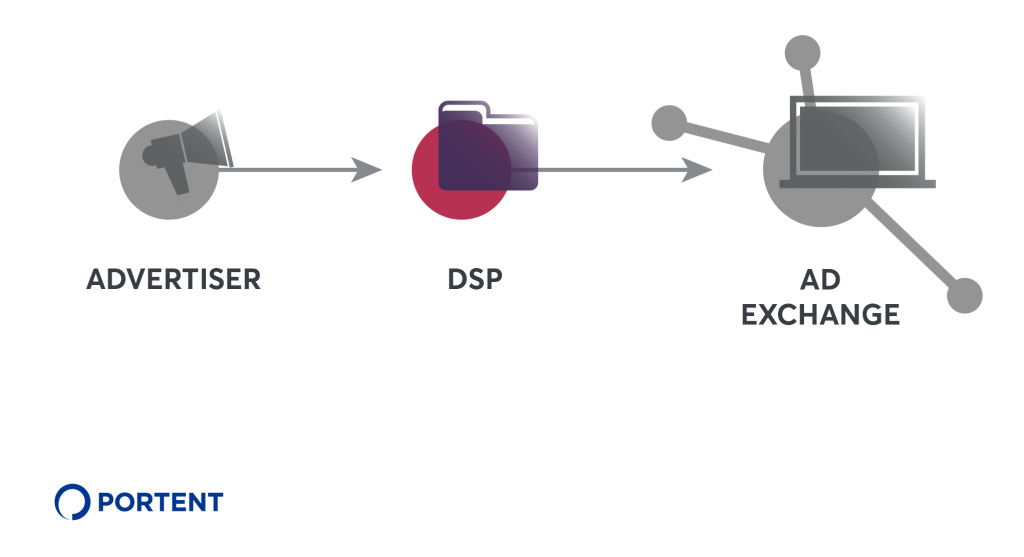
We’ve also been reminded of DSPs and the role it plays in bringing quality leads.

Programmatic Marketing Platform

Image source: Portent.com, 2021 

Let’s be honest – programmatic advertising has helped spawn some of the world’s most questionable content when used with certain DSPs that have no brand-safe functionality.

Your ad may very well be placed next to unsafe content or on a website that doesn’t align with your brand’s ads or principles.  

It is vital, to also choose the right DSP for your programmatic advertising use.  

By leveraging all of a brand’s first-party data to resolve customer identity, businesses can develop a data asset that forms the foundation for all consumer engagements, throughout the digital touchpoints and ecosystem. 

This valuable information may then be used to lure customers with the content they’re out there looking for. 

The sudden replacement of third-party cookies can be challenging, but from us at elfo – we recognize it as an opportunity to cement your brand’s offerings in an ever-changing digital environment. Reach out to us – we’re ready to help you navigate this change and more. 

To meet their goals for digital marketing, every business has become more focused on targeting specific online audiences. Advertisers are spending tons of money on programmatic ad buying and accessibility to a wide range of audience data is what’s driving this strategy.

Previously with traditional display advertising, you could only hope that your ad gets noticed by people. Months of experimentation would either lead to failures or success, but this was hard to calculate. Nowadays, there are smarter, more accurate ways to measure programmatic advertising and ensure your display ads are attracting the right buyers.

Being able to identify your target audience easily and in real-time is vital for your business. Read on to know more about what is programmatic targeting & how it works because the following targeting tactics are worth advertisers’ future spend.

What Is Programmatic Targeting?

How do you find the right audience? Answer: Data acquisition and utilisation. Simply put, programmatic targeting uses acquired datasets to determine the right audience and the best places to find them online.

But the hard part is deciding where to start. This is where different data will inform the best path forward. The following offers a unique set of benefits that can help achieve specific end goals or add to the overall performance of your digital marketing strategy.

First-Party Data

First-party data is data gathered by your brand for various purposes. This information can range from customer records; contacts, leads, and prospects; social media followers; email newsletter subscribers; or even website visitors on desktop or mobile.

Second-Party Data

Second-party data is data gathered by another organization. With permission, this information can be passed to you via a contact in the industry or shared through a partnership. Maintaining a certain level of quality and exclusivity, this kind of data could be useful to broaden your audience.

Third-Party Data

Third-party data are data sets collected, segmented, and sold by data providers. These can be bought through public data exchanges, demand-side platforms (DSPs), or data management platforms (DMPs). If you want to rapidly scale an advertising campaign, third-party data may be the choice for you.

Related topic: Why Programmatic Advertising Matters More Now

The 4 Main Types of Programmatic Targeting

There are quite a few programmatic targeting options to choose from, but the main ones you need to know are audience targeting, contextual targeting, retargeting, and geo-fencing. Let’s break down each one:

1) Audience Targeting / Demographic Targeting

Today, audience targeting is still one of the most used techniques for digital advertisers. It involves buying and serving ads to a certain audience segment. That segment is based on specific demographic data such as gender and age group, and/or interests such as cooking or fitness.

All this information is usually derived from a combination of both first-party and third-party data, which can be selected when deciding how much to bid on available media inventory. Third-party data providers, such as elfoDSP, generate these audience lists by building segments using algorithms and data collection strategies.

2) Contextual Targeting / Keyword Targeting

Based on third-party data segments, contextual targeting looks at what content users are browsing online, targeting different types of content on specific pages. Content targeting segments can be as broad as sports or entertainment or on niche topics like healthcare news and award shows.

Contextual targeting allows advertisers to find different categories or keywords of the page to then display ads that are relevant to that specific content. The following options can be applied:

  • Input certain keywords to display ads on sites containing those same keywords such as clothing or healthcare products.
  • Pick from a selection of topics to go for a wider range, specific topics, or even utilize both at the same time for maximum coverage such as fashion and style.
  • Choose what placement you want for your ad and select the websites, videos, or apps that you want your ad to be displayed on.

3) Retargeting

Retargeting is used by advertisers to re-engage users who have previously visited your site or have a past-purchase history. It’s a technique to draw customers back in with new or additional info to nudge them into making the final purchase.

Sometimes online shoppers may miss your display ads the first time or they may even find a better offer themselves on another site. In many cases, it may even take several visits before they decide to make a purchase.

This is why it is important to retarget prior site visitors with ads on items they already expressed interest in. Think of a product you’ve left in your online shopping cart recently. You may notice ads displaying that same product following you around the web. Well, that’s retargeting at work.

4) Geo-Targeting / Geo-Fencing

Geo-targeting, or “geo-fencing” as it’s more commonly known, focuses on targeting individuals within a specific geographic area (hence the name). Since it relies on GPS data, this type of programmatic targeting is more ideal for mobile campaigns than desktop.

Targeted ads are customized based on identity and behavioral profiles layered onto a specific place of interest — whether it’s your physical location, your competitor’s location, or a place where your target audience is. This can be narrowed down to the ZIP code level and sometimes even the IP address.

Unless disabled, all internet-enabled devices will display their locations by default whenever people browse on websites. Through geo-fencing, advertisers can find out when a new or returning customer changes their preferred store. This helps to provide deeper insight into individuals’ shopping choices.

Take Advantage of Different Programmatic Targeting Options

With the ability to run ad campaigns more strategically, it’s become easier to predict marketing outcomes by going programmatic. The use of programmatic targeting allows a business to identify its specific target markets more effectively.

You can adjust your ad budget accordingly by only choosing to display ads to people more likely to make purchases. Essentially, it’s a cost-effective way to convince motivated buyers online without wasting time on audiences who won’t purchase your product or service.

With that being said, determining which targeting tactic is right for you will come down to what your campaign goals are and what your budget is. Depending on your target audience, each of the methods described above offers the opportunity to deliver targeted ads at scale.

If you’re interested in programmatic advertising and want to get better returns from your marketing spend, you can talk to us today to find out how to optimize your digital marketing and advertising reach.