It is vital for businesses to connect with their customers to deliver important information and other updates. Since most people in the world possess a mobile phone, SMS marketing has grown to become a useful tool for many companies, with it generally falling into 2 categories: P2P messaging and A2P messaging.

SMS marketing is one of the easiest ways to get a short message across to customers. Compared to other marketing channels, SMS marketing offers a highly cost-effective means of advertising through simple text messaging.

But what is the difference between P2P and A2P messaging?

How Does P2P Messaging Work?

p2p messaging

Put simply, P2P is defined as a messaging communication between two end users that both use a mobile phone to exchange SMS messages with each other through a valid mobile network. In order to engage in this type of communication, both the sender and receiver of the SMS messages have to be subscribed to a mobile operator.

It’s called P2P (Person-to-Person) messaging because it’s human-to-human, i.e. when a company representative sends a text SMS to a customer who can reply back with a response.

Examples of P2P Messaging

  • Communication between a lead and a sales representative
  • 1-to-1 customer service
  • Messages to and from a delivery or rideshare driver

How Does A2P Messaging Work?

a2p messaging

A2P on the other hand is the process by which messages are sent from an application, usually a web-based platform, to a mobile phone user – hence A2P (Application-to-Person). Communication with users that is initiated by an application and not from a mobile device with a SIM card are regarded as A2P messages.

Like P2P, this kind of SMS messaging allows for two-way replies, but companies most commonly employ A2P as a one-way method to inform recipients on items that are not expected to get a reply back.

Examples of A2P Messaging

  • Promotional messages
  • Appointment reminders
  • Critical alerts
  • Real-time notifications, i.e. from banking institution
  • Automatic online booking confirmations
  • Two-factor authentication via SMS for purchasing products or registering for services
  • Loyalty programs for regular customers

Which is better for SMS marketing?

It really depends on what kind of information is being sent, the quantity of SMS messages that need sending and the user reach companies want to achieve. At the end of the day, the main objective of the business is to obtain a constant profit for the services they provide or the goods they sell.

Individually, a businessperson can send P2P SMS messages to build up their own customer base. However, if it’s a large number of prospects to send similar messages to, they would be spending an unproductive amount of time and money on what could be easily resolved by an automated platform.

This is how A2P exceeds P2P in maximizing user reach in a short amount of time. For elements of the business that do not need human-to-human interaction to relay information, A2P SMS messaging can be highly useful, especially in driving the constant growth of the customer base.

Here’s a short list of industries that rely on A2P messaging to promote their business:

  • Businesses with customer relationship management (CRM) at the core of their operations.
  • Banking institutions which frequently use messages to send their customers information on their bank balances, due dates, contact information, and more.
  • Travel agencies and airlines that remind you of the departure date and changes to your trip
  • Cinemas that notify customers about promotions on tickets and various creative sales packages
  • Online stores that send alerts about sales and new arrivals

Choose A2P messaging for your business today

To ensure that the information customers receive is relevant and effective, companies have to consider what marketing channel is right to meet their business needs. The more convenient the communication channel is to deliver messages, the better.

Nowadays, more customers want to engage with businesses in real time. Whether your marketing message is to be sent out to a small or large group of people, messaging channels have to be more agile and more intuitive to reach your customers in times that matter.

If you’re interested in leveraging A2P SMS messaging for your business, why not sign up for an elfoA2P account? Enable better transparency and lead generation from your SMS marketing campaign by being able to produce detailed reports of when messages are delivered to your customers’ mobile phones, read and responded.

Are you tired of sending out generic marketing campaigns that fail to engage your target audience? Well, it’s time to say goodbye to mediocre results and hello to an exciting new way of enhancing your inbound marketing strategy – audience segmentation!

In this blog post, we’ll be exploring the power of audience segmentation in enhancing your inbound marketing efforts. So, grab a coffee, get comfortable, and let’s dive into the world of audience segmentation together!

Definition of Audience Segmentation

Audience segmentation is the process of dividing your target audience into smaller, more defined groups based on common characteristics such as age, gender, behavior, and interests. By doing so, you can tailor your marketing messages to each segment, making them more relevant and effective.

Importance of Audience Segmentation in Inbound Marketing

Audience segmentation is a crucial component of inbound marketing, and here’s why:

  1. Improves Relevance and Effectiveness of Marketing Messages: By dividing your audience into smaller, more defined groups, you can tailor your marketing messages to the specific needs and preferences of each segment. This leads to higher engagement and conversions as the messages are more relevant to the audience.
  2. Increases Personalization: Personalization is a key aspect of inbound marketing, and audience segmentation helps you achieve it. By understanding the unique characteristics of each segment, you can craft personalized messages that resonate with each group.
  3. Increases Efficiency: Audience segmentation enables you to focus your marketing efforts on the segments that are most likely to convert. This saves time and resources and helps you get the most out of your inbound marketing campaigns.
  4. Enhances Customer Experience: By providing relevant and targeted content to each segment, you improve the overall customer experience. This leads to increased brand loyalty and advocacy, which can help you attract new customers and drive growth.

Improves Data Insights: By analyzing the performance of each segment, you can gain valuable insights into the behavior and preferences of your target audience. This information can help you make data-driven decisions about your marketing strategy and refine your audience segments over time.

Understanding Your Target Audience

Collecting and Analyzing Data on Your Target Audience

To effectively segment your audience, you need to understand your target audience. The first step in this process is collecting and analyzing data on your audience. There are a variety of methods you can use to gather this information, including:

  • Surveys: You can use surveys to gather data on the demographics, interests, and behaviors of your target audience. You can use this information to create segments based on common characteristics.
  • Analytics: Analyzing website and social media analytics can give you a wealth of information about your target audience. For example, you can see which pages and content are most popular among your audience, which can help you determine their interests and preferences.
  • Customer Feedback: Asking for customer feedback can provide valuable insights into the needs and preferences of your target audience. This information can help you create segments and tailor your marketing messages accordingly.

Determining Common Characteristics Among Audience Segments

Once you have collected data on your target audience, the next step is to determine common characteristics among your audience segments. You might want to think about the following characteristics:

  • Demographics: Age, gender, location, and income are all demographic characteristics that can be used to create audience segments.
  • Interests and Behaviors: Understanding the interests and behaviors of your target audience can help you create segments based on common activities, hobbies, and habits.
  • Pain Points: Identifying the pain points and challenges that your target audience faces can help you create segments based on the solutions they are seeking.
  • Customer Journey: Understanding the customer journey can help you create segments based on the stage of the journey that each customer is in. For example, you might have a segment for customers who are just starting to consider your product, and another segment for customers who are ready to make a purchase.

How to Use Data to Create Audience Personas

Once you have identified the common characteristics among your audience segments, the next step is to use the data to create audience personas. An audience persona is a fictional representation of a specific segment of your target audience. It includes demographic information, interests, behaviors, pain points, and goals.

Creating audience personas allows you to understand your target audience on a deeper level and helps you create marketing messages that resonate with each segment. By using data to create audience personas, you can ensure that your marketing messages are relevant, targeted, and effective.

Creating Segments

Types of Audience Segments

There are many different types of audience segments, but here are a few of the most common:

  • Demographic Segments: Demographic segments are based on demographic data such as age, gender, location, and income.
  • Behavioral Segments: Behavioral segments are based on behaviors and actions, such as the pages a customer visits on your website or the products they have purchased in the past.
  • Psychographic Segments: Psychographic segments are based on personality, values, and lifestyle.
  • Firmographic Segments: Firmographic segments are based on firmographic data such as size of the company, industry, and location.

How to Create Meaningful and Relevant Segments

Once you have considered the key factors and determined the types of segments you want to create, the next step is to create meaningful and relevant segments. Here are some suggestions to get you started:

  1. Start Small: It can be tempting to create many different segments, but it’s better to start small and focus on a few well-defined segments.
  2. Focus on Relevance: Make sure your segments are relevant to your target audience and their needs. This will ensure that your marketing messages resonate with each segment.
  3. Refine Your Segments Over Time: Your target audience and their needs may change over time, so it’s important to regularly review your segments and refine them as needed.

Tailoring Your Marketing Messages

Crafting Targeted Messages for Each Segment

Once you have a good understanding of the needs and preferences of each segment, the next step is to craft targeted messages for each segment. Here are a few tips to help you create effective targeted messages:

  • Personalize Your Messages: Personalizing your messages can help you create messages that resonate with each segment. This can be as simple as addressing each segment by name, or as complex as creating custom messages for each segment.
  • Focus on Benefits: When creating your messages, focus on the benefits that your product or service provides to each segment. This will help you create messages that resonate with each segment and motivate them to take action.
  • Use Data: Use data to support your messaging decisions. This will help you ensure that your messages are relevant and effective.

How to Measure the Success of Targeted Messages

Once you have created your targeted messages, the next step is to measure the success of your messages. Here are a few metrics that you can use to measure the success of your messages:

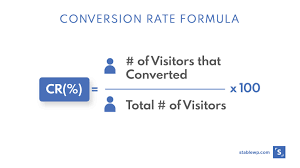
  • Conversion Rates: Conversion rates are a good way to measure the success of your targeted messages. You can track conversion rates for each segment and compare them to see which messages are most effective.
  • Engagement Rates: Engagement rates are another way to measure the success of your targeted messages. You can track engagement rates for each segment and compare them to see which messages are resonating with your target audience.
  • Customer Feedback: Customer feedback can be a valuable tool for measuring the success of your targeted messages. You can ask customers for feedback on your messages, and use this information to refine your messages and make them more effective.

Best Practices for Audience Segmentation

Importance of Regular Analysis and Adjustment

Audience segmentation is not a one-time effort, but rather a continuous process. Regular analysis and adjustment of your segments is important to ensure that your inbound marketing efforts remain effective over time. Here are a few reasons why regular analysis and adjustment is important:

  • Changing Needs and Preferences: The needs and preferences of your target audience can change over time. Regular analysis and adjustment of your segments can help you stay up-to-date with the changing needs and preferences of your target audience.
  • Improved Segmentation: Regular analysis and adjustment can help you refine your segments, making them more meaningful and relevant. This will help you create targeted messages that resonate better with your target audience.

How to Test and Refine Your Segments

Testing and refining your segments is an important part of the audience segmentation process. Here are 2 ways to test and refine your segments:

  • A/B Testing: A/B testing is a powerful tool for testing and refining your segments. You can use A/B testing to compare the performance of different segments and make informed decisions about which segments to keep and which to eliminate.
  • Analytics: Analytics can help you test and refine your segments by providing data on the performance of each segment. You can use this information to make informed decisions about which segments to keep and which to eliminate.

Conclusion

Audience segmentation is a powerful tool that can significantly enhance your inbound marketing efforts. By providing relevant and targeted content to each segment, you can improve the customer experience, increase conversions, and drive growth for your business.

Take your business to the next level with elfo’s Email Marketing Management Services and Social Media Management Services. Our team of experts will help you connect with your audience and achieve your marketing goals through customized strategies and advanced technology.

Contact us today to schedule a free consultation and find out how we can help you succeed online!

By the end of 2022, most countries have already opened their borders and stopped enforcing major quarantine measures, so everybody is travelling more frequently and returning back to office. For email marketers, what this means is that more people are likely to open and read their emails, especially during morning and evening commutes.

To know for sure, email marketing makes measuring easy by providing valuable data that includes:

  • How many emails were sent to your customers
  • Emails opened by browsers or devices
  • Delivery rate
  • Click rates
  • Unsubscribe rate

Let’s check out how well your email marketing efforts have performed in 2022.

Email rates climb to a higher peak

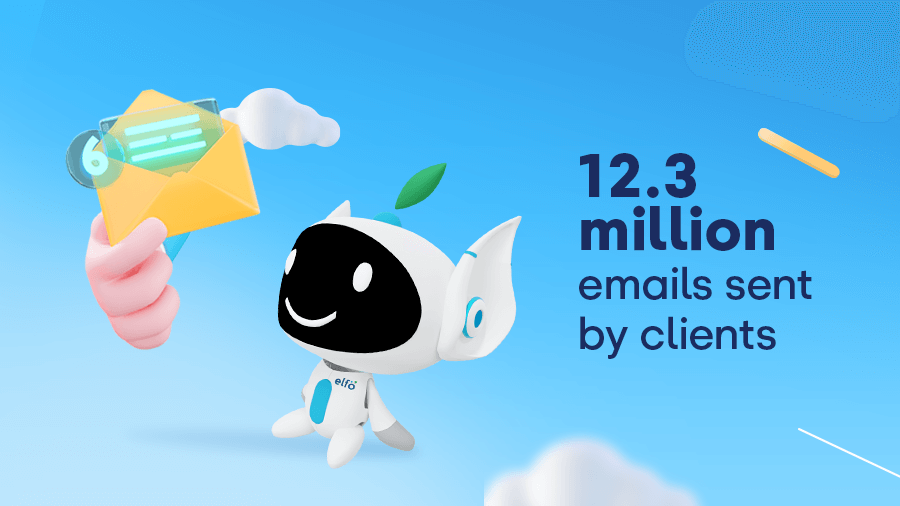
Email marketing still remains one of the most affordable marketing channels that has a better chance of guaranteeing long-term gains. This year, we helped our clients deliver over 12.3 million emails!

Your emails are best read on…

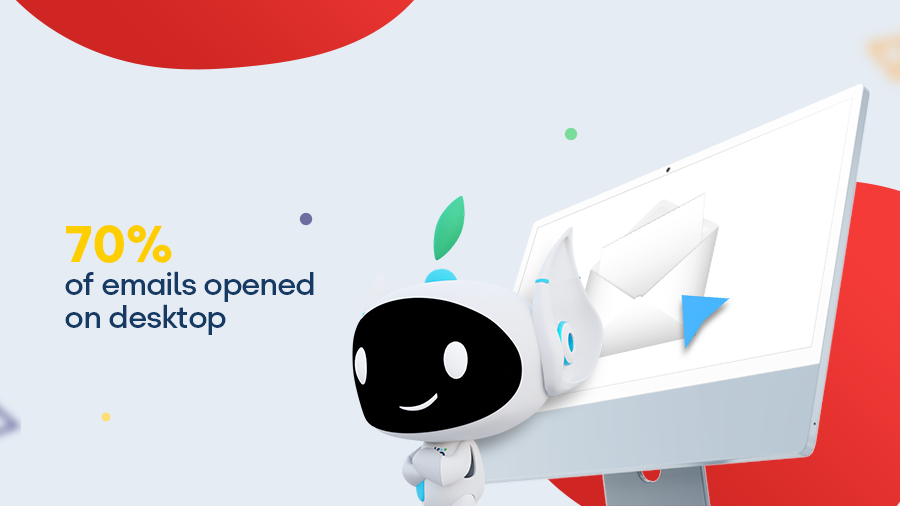
Despite the growing popularity of social media, email marketing is still very much in use today, especially on bigger screens. 93% of your emails were opened on desktop.

A good chunk of people still uses email

Email is still a way of communication that everyone uses – whether you’re from a younger or older generation. Emailing someone seems more professional, so people generally still take it more seriously.

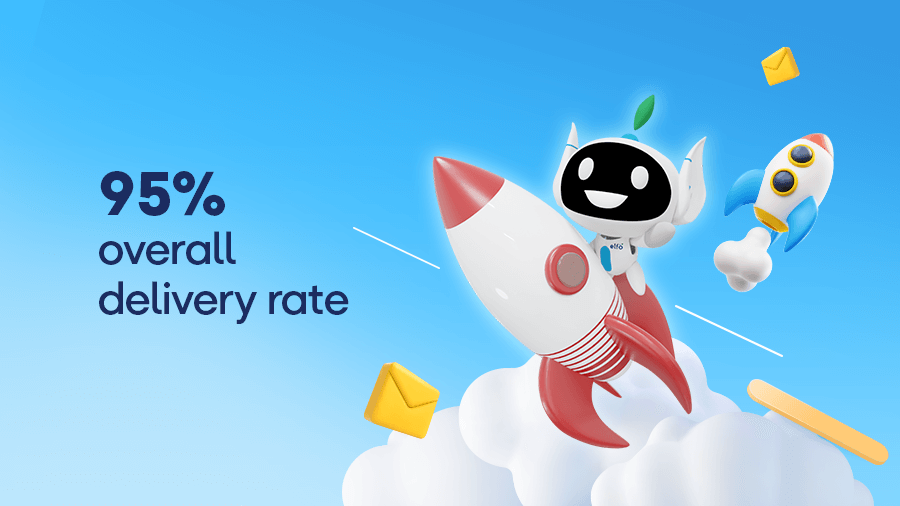
You achieved a fantastic 95% delivery rate, which means that nearly all of your emails arrived in the right inboxes and didn’t bounce.

Your messages connected with more people

Email lets you personalize your message in ways that social media can’t match, so email marketing is still an excellent platform to market your products and services.

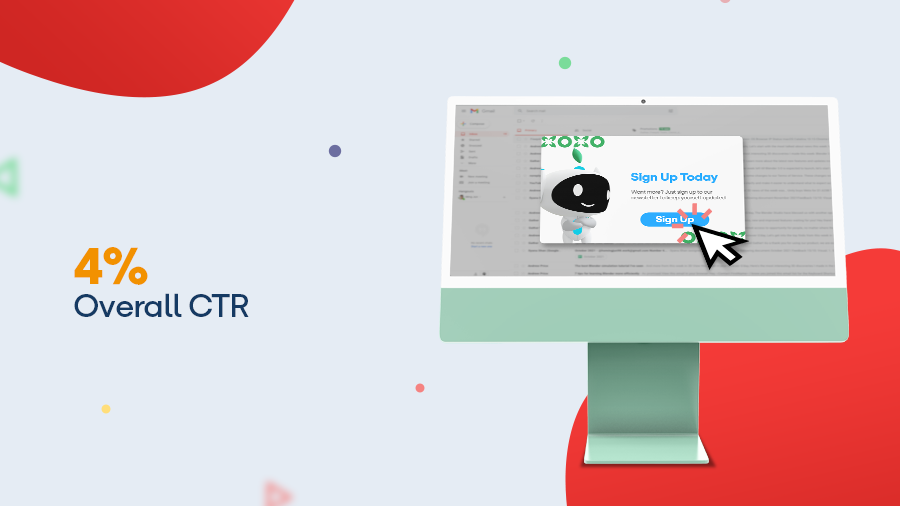
Customizing emails allows you to incorporate several elements to entice people to visit your website. Your efforts seem to have worked, because you achieved 6% CTOR!

Your subscribers want to know what you’re offering

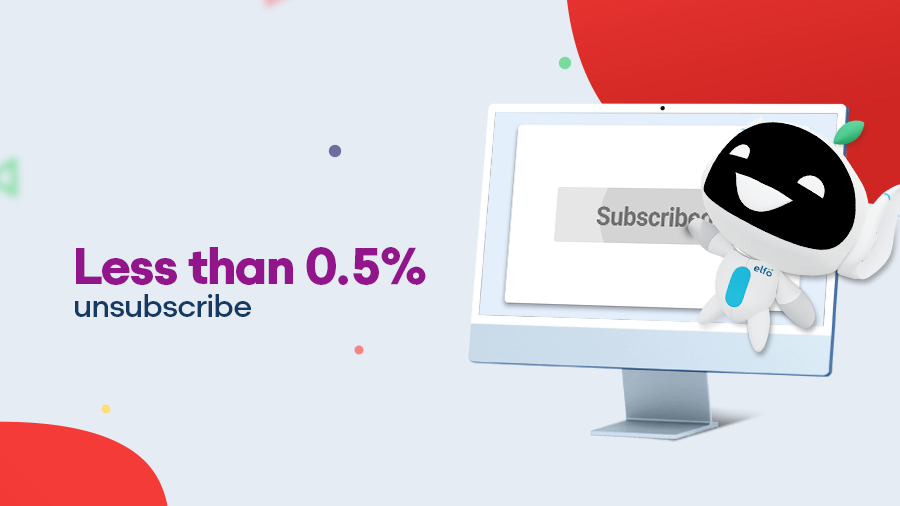
To do email marketing right, you need to send your subscribers valuable content that will keep them interested in your brand. Congratulations! Less than 0.2% unsubscribed from your newsletter this year.

Email marketing is worth investing in for business growth

Email marketing is still relevant and has a long future ahead because it’s so easy to use and cost-effective to scale. As the upward trend of email marketing continues, you’ll want to make sure that your brand is ahead of the marketing game.

To all our existing clients that use our Email Marketing Management Services, thank you for entrusting us with creating your messages and campaigns. We hope to continue working with you to grow your audience in 2023!


Planning to run A/B testing? Bookmark this checklist for a perfect split test that can help you get closer to your goals.  

But first, why bother with an A/B test in the first place? Let’s take an in-depth look. 

What is A/B testing? 

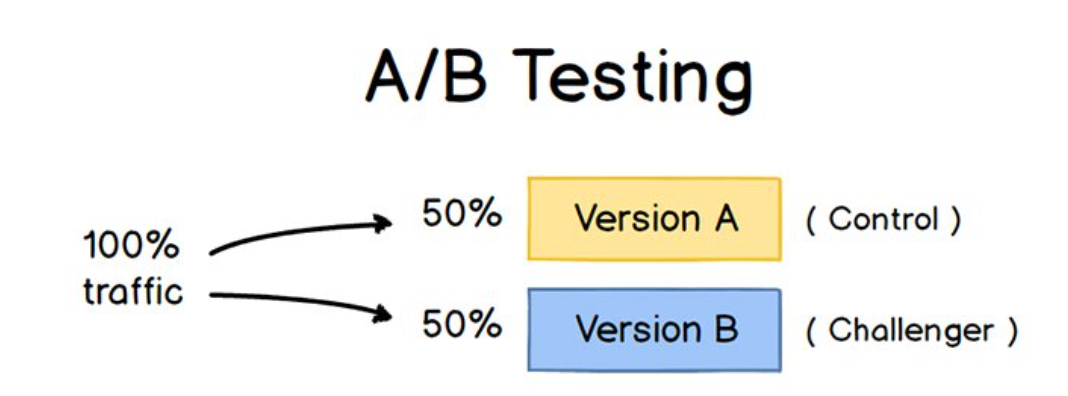
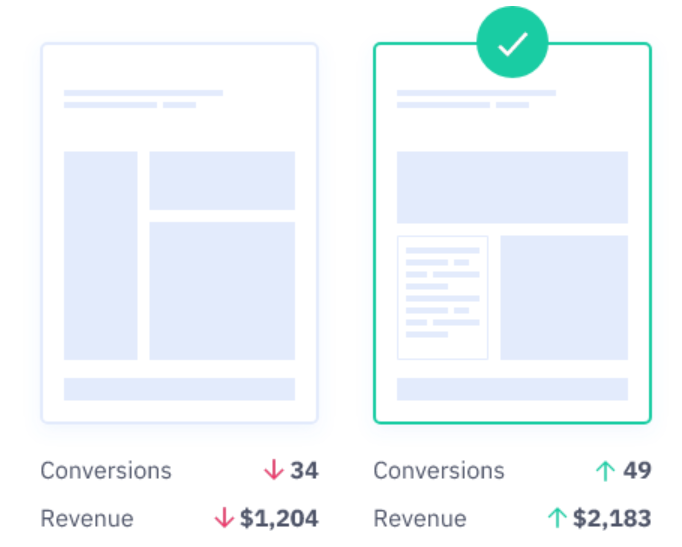
A widely used marketing term, A/B testing refers to the creation of an experiment primarily designed to see which of 2 copies of an advert, visual, caption, strategy, or messaging performs better than the other.  

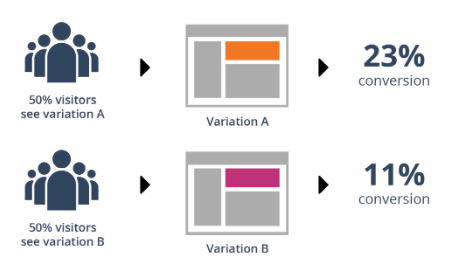
It’s done as a simple test with two lab-created variations (Variation 1 and 2) of a similar style, then split traffic to those variations 50-50. The variation that brings more desired results wins the split test.  

The winning variation will then be selected as the “real” version to be used in the actual execution.  

So now, you have the desired variation and you’re confident in hand with the results it can garner.

When should you use A/B testing? 

Primarily designed to analyze how or what users want more of by giving two similar but different options to react to, A/B testing can make a big difference to campaign performances in real life.  

A change as simple as the headline or sub-headline can even stun businesses alike.

  • Improve user experience by identifying visitor’s pain points 
  • Lower cart abandonment, which is critical for any e-commerce business 
  • Increase engagement by reducing bounce rates 
  • Drive a higher Return on Investment (ROI) from campaigns 

What can you A/B test? 

Some of the more popular actions you can take to split test would be the following: 

  1. Paid ads (make changes in the headline, ad copy, or targeting) 
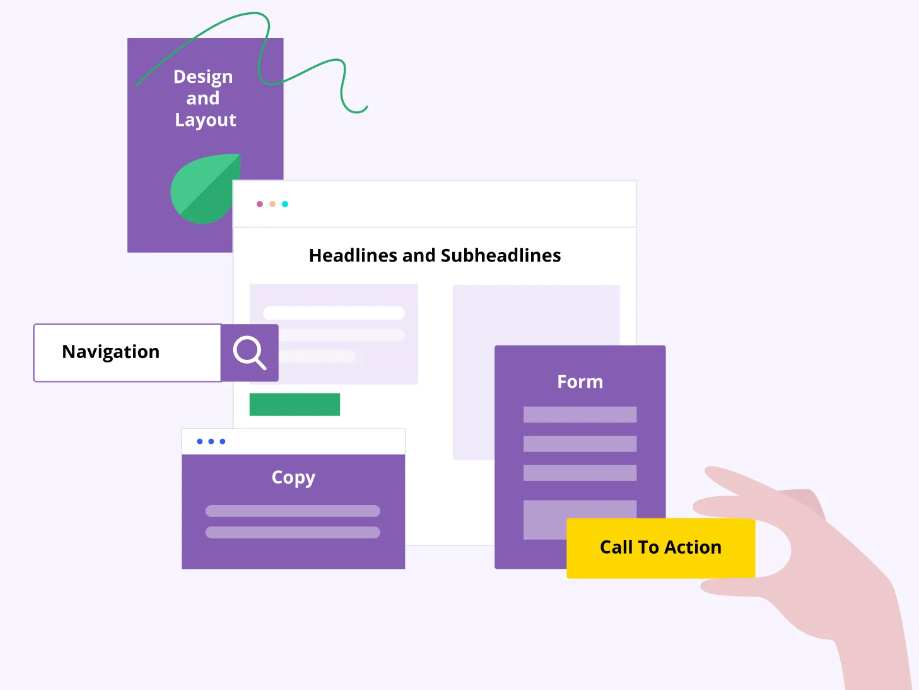
  2. Landing pages (make changes in the headline, landing copy, CTAs, or page layout) 
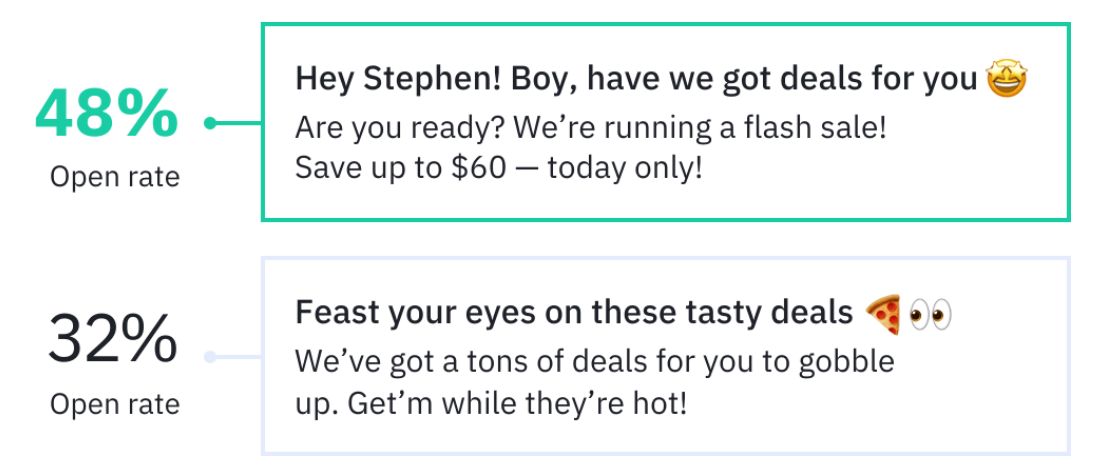
  3. Emails (make changes in the subject line, CTAs, design, or email layout) 

Challenges of A/B testing 

Every year, marketers face many challenges when it comes to A/B testing. Here are some common challenges faced, and more importantly how you can overcome them! 

  • Figuring out what to test  

Since there are so many elements of marketing to choose from, it can sometimes be a challenge to narrow down what could be so critical in obtaining favorable results.  

elfo tip: Start by identifying which pages your visitors spend the most time engaging on. Then, utilize a heatmap tool to check which areas receive high engagement and which areas perform less favorably. Then, plan you’re A/B variations based on what you can optimize better. 

  • Analyzing or interpreting test results 

Now that you have identified which area you would like to optimize further and performed the subsequent A/B testing, then comes reading the test results.  

This is an area that most people fail to grasp, and it could even extend to inaccurately implementing the possible test results.  

elfo tip: Make data a good friend of yours. Consider hiring an A/B testing expert to accurately read the results or train you and your team to analyze and interpret the results data.  

  • Changing experiment settings in the middle of an A/B test 

You might feel like changing the experiment settings can give you a better result at the end, or operating from the ethos of “more can be more, but less will always be less”.  

News flash, this will only end up changing the sample size or skewing test results as the variants get harder to control.  

elfo tip: Avoid the temptation to do so at all costs! 

  • Maintaining a testing culture in the team 

For your conversion rate optimization (CRO) to be successful in the long run, maintaining a consistent A/B testing schedule is critical. However, challenges may arise when there are fewer resources to do so.  

elfo tip: Channel your limited resources into testing the most important and integral parts of your marketing efforts. Be it landing pages, emails, or e-commerce cart abandoners, doing so will help instill the need to continue the efforts for a long time. 

5 easy steps to perform an A/B testing 

  1. What is the goal of your testing? 
  2. Identify the variable you would like to test 
  3. Use the right testing tool that is easy to use and intuitive 
  4. Run your tests with a single traffic source for better clarity on the results 
  5. Monitor from time to time and measure the results 

Start A/B testing with our team of digital experts at elfo! 

It’s a great way to optimize your current marketing efforts and bring in bigger results that will stun you and your clients! Reach out to us and let us help you overcome any challenges you have.

As similar as these two marketing terminations sound, they’re anything but.  

Marketing technology (MarTech) and Advertising technology (AdTech) reach a common line, however when both approaches are used interchangeably to create specially tailored ads according to the needs of the target market.  

But first, let’s explore what it is.  

What are the differences between MarTech and AdTech? 

It’s simple, really! 

MarTech refers to the tools and techniques one can use to optimize and execute digital marketing campaigns while AdTech refers to the technology one uses to reach the right customers with a brand’s campaigns and messages.  

Tell me more about MarTech! 

Basically, MarTech refers to the technology used from the point of lead capture up from the sales funnel until conversion including the following: 

  1. Email marketing tools  
  2. Lead magnets  
  3. Digital marketing analytics tools 
  4. Customer data platforms 
  5. Social media management tools  
  6. Marketing automation programs  
  7. Content marketing tools  
  8. CRM software 

You might have heard the term “marketing stack” or “MarTech stack”.  

What this means: a group or series of technologies deployed by a business to capture and convert the target audience into leads.  

An example of a MarTech stack could involve an opt-in form on a website’s landing page which would lead customers to an email marketing newsletter where they will receive future promotions to “entice” them into buying the products or services displayed.  

It could also include a data management tool to store these precious first-party data for future remarketing needs.  

Did you know? 

There are more than 8,000 tools to help a company in MarTech and its spending will only rise higher in the near future. Unbelievable?  

How about the fact that its value was reported at $344.5bn worldwide as of 2021? 

Just like its cousin, AdTech, MarTech is truly an important piece of the pie for any marketers or businesses out there.  

To ignore MarTech would not be wise in a world of digital connoisseurs.  

What are some popular examples of MarTech? 

Capitalizing on MarTech’s ultimate goal which is to lead customers through the final stage of the sales funnel (conversion), here are some well-known examples of MarTech tools! 

  1. Ahrefs is a search engine optimization tool that enables businesses to keep an eye on the performance of their content, whether it is SEO-optimized for audiences. 
  2. Mixpanel is a business analytics tool that allows significant data analysis to track the effectiveness of campaigns and more. 

Read more: Social Proof: A Marketing Must? 

How is it different from AdTech, then? 

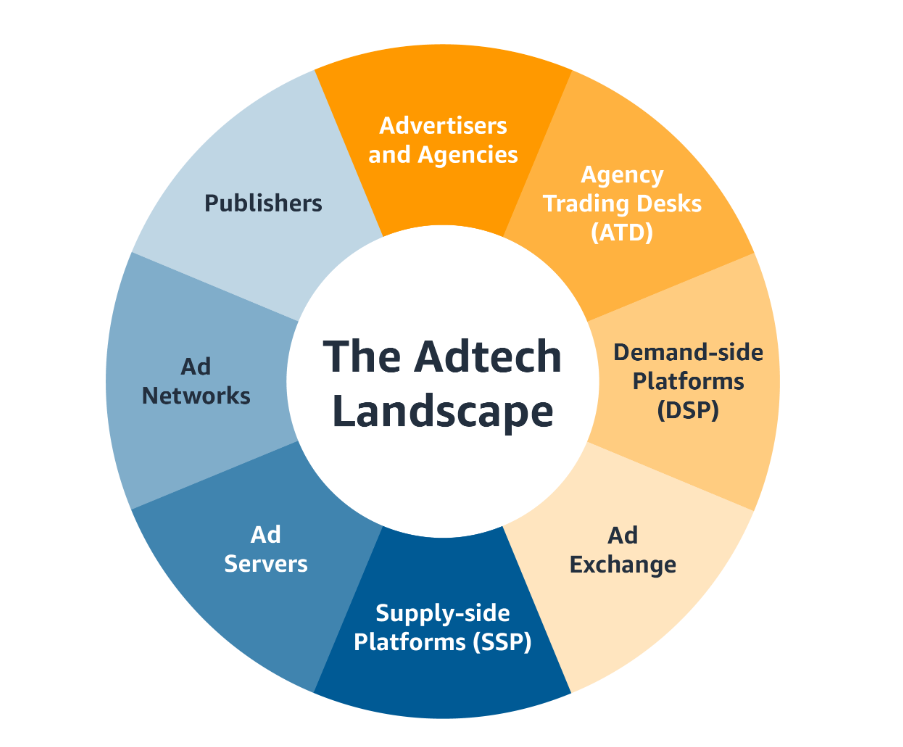
Essentially, AdTech points to all systems that provide analytical and management tools for all the different kinds of ads and programmatic ad buys. 

AdTech focuses on the analysis, management, and execution of advertisements based on the ad requirements across different ad buy platforms and types. 

There are 2 involved players in this ecosystem:  

  1. Advertiser refers to the demand side, whose main goal is to maximize the effectiveness and success of the ads by ensuring campaign targets are met 
  2. Publisher refers to the supply side, whose main goal is to cater to the demands of the advertiser and thus earn a share of the revenue by providing the platforms for the advertisers to run advertisements 

5 areas where MarTech and AdTech diverge 

  • Role 

AdTech focuses on creating more personalized, effective, and well-reached ads. On the other hand, MarTech focuses on cultivating and improving leads, ushering a customer along the sales funnel through activations like: 

  1. Social media 
  2. Email marketing 
  3. Earned media 

  • Media 

AdTech refers to paid media like PPC, sponsored posts, and display ads while MarTech refers to unpaid media like organic search, email marketing, and social media postings.  

However, in the new digital age, this area is likely to result in a convergent. An example of this would be to use an organic social media posting and paid-for-promoted posts on the same platform. 

  • Target Audience 

AdTech looks at a broader target, with an aim to reach the brand’s accurate audience through various advertising campaign strategies.  

Meanwhile, MarTech looks at a more personalized target audience who have already expressed intent and interest to receive the brand’s message. An example of this would be those who have signed up for a brand’s email newsletter (expressing intent to join). 

  • Billing Model 

A typical MarTech solution looks at a fixed monthly rate via the cloud, while AdTech is usually charged at metrics like CPM or a percentage commission on top.   

The amount you pay for your ads to run may heavily impact the results of your ads’ performance.  

  • Management 

Often, MarTech is run by in-house marketing teams as it deals directly with a customer’s first-party data (through emails, opt-in forms, and more).  

This typically varies with AdTech, which is oftentimes managed by third-party agencies with the capacity and resources to properly execute the ad campaign from start to finish. 

That’s exactly what we do, and more 

We create a clear, focused marketing strategy by combining our expertise with your knowledge of your business. Talk to us today, and we’ll make your digital dreams come true! 

Email marketing may not be the trendiest or newest marketing channel, but it’s still a vital way to generate leads and convert more prospects for your business.

elfo wants to share a number of email marketing best practices your business can use to meet the expectations of your target audience and grab their attention.

elfo’s Email Marketing Best Practices

  1. Use a personalised sender name.
  2. Have a real reply-to address.
  3. Do not buy email lists.
  4. Get recorded permission before sending emails.
  5. Ask for subscription twice.
  6. Segment groups in your email list.
  7. Clearly inform people who join your list what to expect from you.
  8. Reduce dormant subscribers to reduce bounce rate.
  9. Make sure to insert an unsubscribe link in every email.
  10. Avoid spam trigger words in your subject lines.
  11. Avoid including playable media content.
  12. Avoid embedding forms.
  13. Avoid including attachments.
  14. Reduce the number of images for quick load times
  15. Double-check spelling and grammar.

elfo, digital marketing

For email marketing, remember that your primary goal is to build a solid relationship with your customers. It’s not enough to just grab their attention; you need to do more to secure their trust.

1. Use a personalised sender name.

When sending your emails, use a sender name that preferably contains your personal name so that recipients quickly recognize you. An email address like firstnamelastname@domain is appropriate, NOT an obscure one like 1234vds@domain. What’s the reason for this?

People are bombarded with emails every day so they usually comb through their inbox and open the interesting ones. In most cases, people tend to open those which include a personal name in the ‘from’ box because these are easier to identify immediately amongst the sea of impersonal, generic ones.

Another good reason to stick to only using a personalised sender name is that leading email service providers actually pay close attention to the ‘from’ field. Today’s spam filters have reputation-based filtering that gathers information about the source of the email (IP address and domain).

2. Use a real reply-to address.

When creating your next email campaigns, try to avoid using emails like [email protected] as the reply-to address. While you may not require recipients to respond to certain emails you send them, email addresses like this imply to people you are not interested in hearing from them.

If you use this kind of address too often, it will prevent your company from receiving the engagement you want from email marketing by reducing the number of valid responses you get. Using friendlier-sounding email addresses encourage people to respond. Here are ones that a lot of companies typically use:

Read more: How to Onboard New Customers with Welcome Emails

3. Do not buy email lists.

It’s always safer, smarter, and healthier for your business’ reputation to build an email list from scratch.

Arguably, the biggest offense you can commit is buying email lists because sending your emails to addresses you didn’t obtain legitimately is wrong – plain and simple. Legally, it represents a violation of your Internet Service Provider’s Terms of Service.

Inversely, this means that selling or transferring email addresses (without permission) to other lists is also illegal. Don’t commit a violation of people’s privacy by buying lists as they never accepted to be contacted by you and this is a one-way ticket to be blacklisted.

Read more: How to Easily Collect Email Addresses for Free

4. Get recorded permission before sending emails.

No matter whether customers buy a product from your website for the first time or the tenth time, do not send promotional emails without getting their permission first. Have customers agree through a clear sign-up form on your website or give them the option to sign up for your newsletter after they make a purchase from your store.

5. Ask for subscription twice.

Even after their subscription, send your new subscribers a follow-up email asking them to confirm whether they do want to receive emails from you. If they really want to receive your content or offers, they won’t mind. This practice of double opt-in helps you to keep your list nice and clean.

6. Segment groups in your email list.

If you want to see better results from your email marketing efforts, don’t simply send the same email to every address in your list. Segment groups based on what they’re interested in so that you’re only sending relevant offers to the right people.

7. Clearly inform people who join your list what to expect from you.

Telling people what you’ll be sending and how often you’ll be sending emails establishes transparency and earns the trust of your subscribers early on. If you intend to send out various content (monthly newsletters, weekly special offers, etc.), create some options for people to choose what content they want to receive from you.

8. Remove dormant subscribers to reduce bounce rate.

During every reporting cycle, pay attention to subscribers who aren’t opening your emails. If it’s reoccurring inactivity, you should consider either launching a re-engagement campaign or remove these addresses from your lists. Why?

Because bounce rates are one of the important factors ISPs keep track of to determine your sender reputation. Inactive subscribers contribute to this statistic and it might damage the reputation of your company’s domain which directly influences deliverability rates.

9. Make sure to insert an unsubscribe link in every email.

Sometimes people lose interest in your content or offers; it happens. If they want to unsubscribe from your mailing list to stop receiving your emails, you must let them go.

Simplify the journey by putting an unsubscribe button at the bottom of your emails. Never try to email the same addresses again unless they sign up for a new subscription. If you continue to send them emails, you will most likely be marked as spam, bringing down your sender reputation.

10. Avoid spam trigger words in your subject lines.

Pay attention when crafting the wording of your email subject lines. There are certain words and phrases that set off spam filters and if you use them often enough for your emailing campaigns, it may get you blacklisted, owing to their association with real spam mail.

Remember all those emails you received before that offered ‘something’ in the subject line in return for following a couple of ‘simple’ steps? Well, due to their sheer frequency, spam trigger words were usually collected from many emails like these.

Here are some examples you should try to avoid if you don’t want spam filters to catch you:

  • Exclusive deal
  • Limited time
  • Offer expires
  • While stocks last
  • No questions asked

“Win” is considered one of the spammiest words. Avoid them using them at all costs. Also, exclamation marks tend to hurt open rates and Gmail tab placement so avoid them. Never use all-caps words in email subject lines because it makes you look suspiciously like a spammer and you’re shouting.

11. Avoid including playable media content.

Nowadays, a majority of ESPs don’t allow people to view rich media content on their emails, so avoid putting videos in your emails. If you do, and they don’t show or work properly, the email will look like spam to your clients. We recommend not to use image file size more than 100KB.

If part of your marketing campaign requires media content, why not put it on your website and insert a link to it in your email copy instead? You can include an image with a play button that, once clicked, will lead your clients to the particular video on your website.

12. Avoid embedding forms.

Spam filters are pretty comprehensive and embedding forms in your email copy represents another red flag. While these forms are needed to collect details from your clients, they are a security risk and ESPs don’t usually support them. Use the same alternative for media content: either link to the form you wish them to fill in or insert a call-to-action button.

13. Avoid including attachments.

For some targeted campaigns, you might want to attach a file, like Word documents or PDFs, to your emails. Unfortunately, thanks to spam emails in the past hiding viruses, attaching files to your emails alert spam filters immediately. Avoid doing this if you can.

Another good reason why attachments should be left out is that attached files also increase the size of your email, so consequentially, it takes them longer to load. Instead, place the file on your website and provide a link or a CTA that allows the file to be viewed and downloaded.

14. Reduce the number of images for quick load times.

Understandably you’d like to catch your reader’s attention with attractive images and unique designs, but for email marketing you need to be smart with this. Including a lot of images will increase the load time of your email, which can affect deliverability rates.

Making your email copy in the form of one big image is also not recommended because you can run the risk of it not even loading. For example, Microsoft Outlook doesn’t recognize background images so an email that has this will most likely not be displayed correctly.

To avoid any of these issues, only include images that are relevant to the content. Resize the images if necessary, but be careful their visual integrity does not fall. Don’t forget to also host your images only at credible services.

15. Double-check spelling and grammar.

Getting acknowledged digitally means being credible to your clients, customers and audience. Make sure that you proofread every single one of your email marketing campaigns. If you want to be seen as reliable and trustworthy, avoid spelling and grammar mistakes at all costs. Take the time and extra care to edit and proofread.

What Are Spam Filters?

Email Marketing Tools

While your business may be sending legitimate emails with the best of intentions, there are several reasons that stop many emails from being seen.

The most prominent one is spam filters that are taking down scores of emails of questionable reputation before they reach inboxes.

Spam filters are essentially a kind of safeguard technology that scans over and interprets the “spamminess” of an email. They count each factor of the spam you send and add them up to assign a spam score, which helps determine whether campaign passes through the filter.

If the score goes over a certain limit, your email will get flagged as spam and go straight to the junk folder, no matter what the content is. The list of criteria for what constitutes spam is constantly growing and adapting, based on—at least in part—what people identify as spam with the ‘Mark as Spam’ or ‘This is junk’ button in their inbox.

Another issue is that each spam filter functions a bit differently so not only can “passing” scores differ, but their criteria are determined by individual server administrators. This means that even if an email passes through Spam Filter A without incident, Spam Filter B may be alerted by something in the email and flag it.

What Common Criteria Count Towards Spam?

  • Campaign metadata

Stranger danger! Spam filters don’t like it if you’re not acquainted with the person receiving the email. We recommend using merge tags to personalize the To: field of your campaign and only send through verified domains.

  • Your IP address

If anyone with the same IP has sent spam in the past, some spam filters are more likely to flag an outgoing campaign

  • Coding in your campaign

Be careful of sloppy coding, extra tags, or code pulled in from Microsoft Word when designing your email layout.

  • Content and formatting

Sometimes spam filters will flag emails based on specific content or images they contain.

Email Marketing Solutions

That’s it! With the email marketing best practices above, you can eliminate most of the mistakes affecting your email deliverability rates.

For all businesses, the brand identity is critical in distinguishing themselves from others. Brand identity is not necessarily aesthetic but encompasses everything from company values, approved imagery, color scheme, and even copywriting guidelines.  

In the current modern culture of innovation and improvements, elfo strives to consistently develop our brand to accurately reflect our values, services, and the talented individuals that make up the team. After 5 years in business, the ‘elfo-lution’ has resulted in strong visual identity, a competitive product line-up, and a formidable team that has worked with over 200 partners. 

This year, as we crossed our 5th anniversary, the elfo team took the opportunity to refine our branding identity to properly reflect our journey, redefining our elfolution. As we embarked on our revamping of our corporate identity design (CID), we looked at elfo’s history and focused on what defines us. 

OUR IDENTITY 

With strong branding, potential customers will be able to easily identify a company’s values and ideals, allowing them to choose their provider with ease. With a stronger bond between business and customers, companies can hope to foster a long-term relationship and develop strong brand loyalty among their customers.  

According to Stackla, 88% of consumers consider authenticity as the key factor when supporting businesses. Most consumers expect businesses to focus on more than just revenue, such as corporate social responsibility and the values espoused through the services and products offered. 

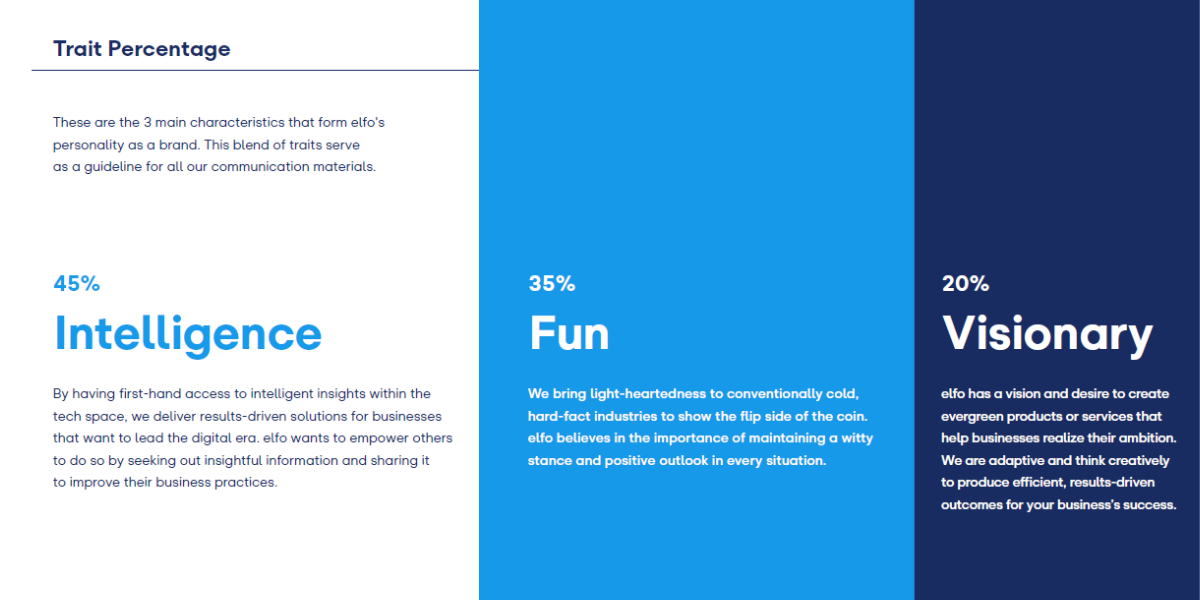
Breakdown of traits and values that define a company in their corporate identity design.

With this in mind, elfo’s core values are defined clearly on our website, favoring passion, innovation, accountability, and growth. Since inception, elfo has stood by the belief that clients should be able to rely on one agency to handle all of its digital marketing needs, and this is reflected in our ever-growing list of products and services.  

All this and more are communicated through the guidelines developed in the newest CID, highlighting the best ways to display elfo’s DNA via copywriting and imagery. While elfo remains professional and innovative, the team maintains a sense of light-heartedness and forward thinking to reflect the young and creative team behind the business. 

OUR IMAGERY 

Identifying the company imagery will not only define the guidelines around the content produced but also provide visuals that customers can identify with. Brands who have a target market will often build their visuals based on the people they are marketing to.  

As elfo has grown, our team has evolved into a diverse group of young, energetic, and talented individuals. Ensuring that our imagery reflects the values and vibe of the team was critical when revising our CID. Thus, elfo’s distinctive theme was developed with minimalistic elements and a vibrant design. Visual aids such as stock photos must be clean and clear without being overly professional. 

On average, it takes 5-7 impressions for consumers to recognize a brand. Thus, it is imperative for branding to be consistent and distinctive to have a lasting impression on potential consumers. From visual usage to a recognizable color palette, building the distinct imagery will not only develop familiarity with consumers, but also among the industry players and partners. 

elfo has always maintained a clean but colorful aesthetic design with the sleek and simplistic designs meant to accentuate the brand’s vibrant and innovative environment. On top of that, the team decided to refine elfo’s existing color scheme to a lighter, pastel variant that permeates an uplifting mood and is visually appealing on digital screens. 

It’s always a great idea to maintain a color scheme unique to the brand with many fantastic examples such as fast-food franchise McDonald’s red and yellow or fashion retailer Uniqlo’s bright red. By using a signature color, consumers are 80% more likely to recognize your brand. In combination with the proper visual aesthetic and the set copywriting style, all these elements will form the brand’s unique identity, setting it apart from all the others in the market. 

OUR MASCOT 

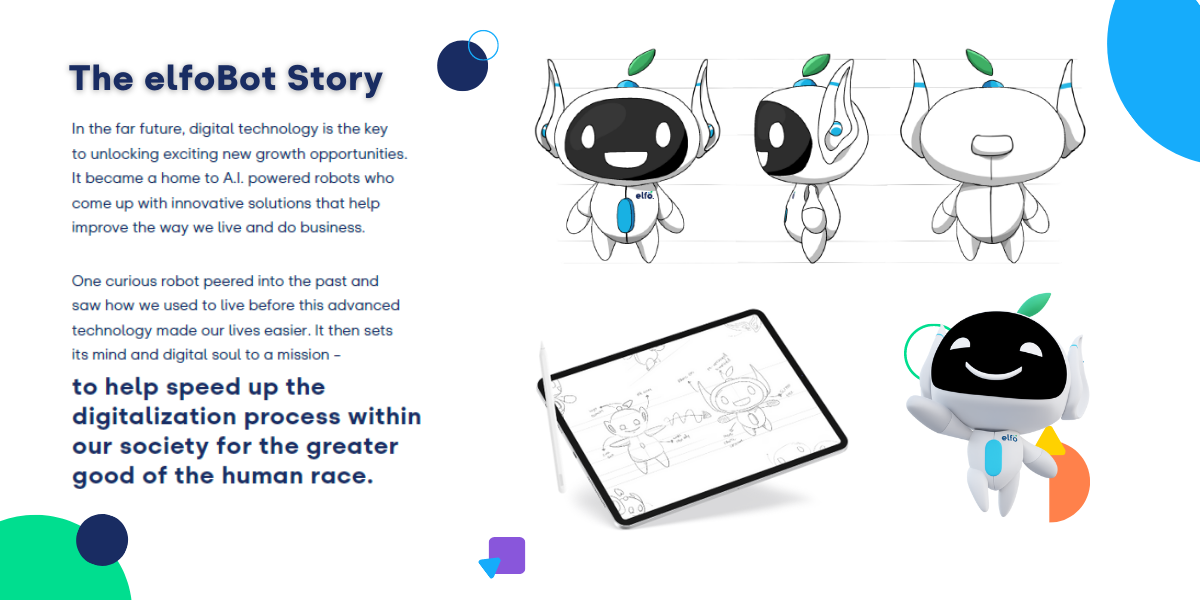
Lastly, a core part of elfo’s branding, the mascot, was refined with an identity that makes it distinct and personable. Now with an official name, elfoBot got its own special look with a compelling backstory developed to give it the purpose it was lacking. 

The mascot backstory is key for customers to better understand a brand in order to make the right decision.

According to research, profits can be increased by up to 41% with the utilization of brand mascots or characters. Those without them only had a chance of 29.7% to increase their market gain. Having an official mascot will not only provide the unique branding needed to distinguish the company from others, but it also creates a personification of the brand for consumers to connect to. 

The background behind elfoBot was developed, officially detailing its origin story and motivations that drove it become elfo’s official mascot. Essentially, it describes what elfo as a brand aims to achieve in the digital marketing sphere. With the goal of pushing the limits of technology in the pursuit of digitalization and innovation, elfoBot is essentially all of elfo’s values and goals personified. elfoBot is all of us. 

THE COMPLETE PACKAGE

Combined together, the elements discussed contribute to the package that encompasses your company brand. As long as the rules and guidelines defined are followed consistently, the brand’s image will be reinforced in potential customers’ headspaces for easier recall and potentially higher chance of conversion. 

With elfo’s new refined CID, the team will have the proper tools and understanding to fully embrace elfo’s identity in everything they do. elfo’s combination of performant digital marketing services and cutting-edge marketing platforms solidified it as a competitive MarTech and AdTech solutions provider in Malaysia. 

Be sure to keep updated with elfo’s journey by following us on LinkedIn, Instagram, Facebook and, YouTube.

Have you ever bought something that your trusted friend swears by?  

Have you found yourself purchasing that heavily-promoted juicer on social media when you see your friend engaging on the ads? Even if you’re not into juicing your own fruits? 

Yes, that is the power of social proof. It happens in all sorts of ways – either subtle or obvious – and can hold the power to shift a consumer’s behavior (especially purchasing) to the next stage.  

Social proof can work wonders for your business, regardless of whichever field or industry you’re in. People don’t like FOMO and that’s the value that social proof drives. It’s also a fantastic practice for CRO! 

Read more: Quick & Easy CRO Tactics to Digital Market Your Business

But first, let’s explore some quick roundups on what it is and what it looks like.  

What is social proof? 

Operating on the principle that the “Majority Knows Best”, social proof is the idea that customers will adjust their purchasing behavior around what trusted others do or buy.  

Did you know?  

A report by Nielsen even went as far as to suggest over 92% of customers believe the reviews by their friends and family over advertising.  

Shocking, we know. That doesn’t mean your business can afford to keep advertising on the back burner, though! 

How does social proof impact digital marketing efforts? 

Is your landing page strategy not working out quite as well as you intended it to? Customers seem to be interested in your product but you never seem to convert as many eyeballs? 

It could all boil down to poorly-executed social proof in your communication channels, particularly landing pages, ads, or the brand’s social media accounts.  

Types of Social Proof You Should Know 

According to business coach Bailey Richert, there are more than a dozen types of social proof, but here are some you should know (and capitalize on):  

  1. Expert: The stamp of approval by a renowned expert in the industry that your product exists in. For example, having a quote about your makeup product by a well-known cosmetic chemist.  
  2. Celebrity: When a celebrity endorses your products. This is one of the most common forms of social proof, as audiences tend to imitate and revere their favorite celebrities. 
  3. User: This social proof refers to when a customer shares reviews based on their experiences using your products or services. For example, the customer testimonials on your brand’s Facebook reviews. 
  4. The wisdom of the crowd: Capitalizing on FOMO. Occurs when a large group seems to endorse your brand. For example, having over a million followers on social media elevates your brand’s credibility and builds trust to purchase. 
  5. The wisdom of your friends: This occurs when you see your friend talking highly of a product or following the brand’s social media/interacting with the content. 
  6. Certification: This occurs when an authoritative figure gives your brand the stamp of approval. For example, the Halal certificate from the Malaysian Ministry or the blue checkmark on Twitter.  

Did you know?  

Buyers require an average of 40 online reviews before believing the brand’s star rating.  

Quick & Easy Ways to Use Social Proof in Your Marketing 

  • Have a social media takeover by experts 

Inviting leading renowned figures in your industry helps build your credibility and evokes the halo effect of trust (tap into the positive association their followers have).  

In order to effectively run an engaging social media takeover, it’s vital to execute the following steps: 

  1. What do you want audiences to take away from the conversation with the expert? 
  2. Engaging the crowd during the takeover is necessary, what do you wish to learn about the audience? This can add to your brand’s data of consumers. 
  3. Build the relationship between the audience and YOUR BRAND, not only the expert. The key is through enforcing narratives and messages that showcase the expert speaking on behalf of the brand, not just for their own personal agendas (if any). 

This can form a win-win situation between the expert and your brand, both may profit from the shared exchange of representing each other’s platform.

  • If your brand gets a mention, show a little appreciation! 

This happens quite frequently in today’s digital age, where speed in serving customers take precedence. However, showing a little gratitude for every positive (or negative) feedback you may have can go a long way to growing your brand. 

In the eyes of consumers, associating a face or a human identity with a brand name is almost inconceivable.  

By reacting as a human does, even a small remark like “Thank you for the warm feedback! We hope to continue serving you the best!” or “We’re sorry you had a bad experience. Tell us about it, we would like to fix your day!” shows your customers that: 

  1. There is a human interacting with them on the other side, not a bot 
  2. The brand CARES about their experience 
  3. They believe someone listens to their comments to improve any negative experience faced 

What’s extra nice about this is they care enough to thank all 124,000 of their followers who voted.  

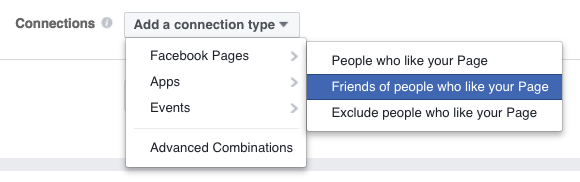
  • Target the friends of your Facebook page fans with your best Facebook Ads 

Here’s an easy-to-implement strategy if you have a sufficient budget to spend on Facebook Ads.  

Operating on the principle that the friends of your current Facebook fans may also enjoy/like your products, reach newer audiences that you may end up converting to lifelong fans. 

Facebook will automatically add the wisdom of a friend’s social proof for you, so when a friend sees the ads, they also see their friends interacting (liking) the page as well.  

This isn’t a lead magnet.  

But us as your digital marketing agency? You bet! 

It’s a heads up that we run any campaigns, to suit your marketing needs with the budgets that you have. It’s what we do best – so talk to us today and let us know how we can add to your expertise.  

These days, most marketers and businesses are only focused on bringing in new website traffic in the hope that conversion or sale may occur.  

However, any great marketer can tell you that achieving long-term, sustainable business growth (yes, and profits!) mostly come from getting the most out of existing leads and traffic.  

That’s where conversion rate optimization (CRO) comes in.  

How do you define a conversion? 

Whatever conversions your business generates, it will need to be measurable and valuable to your business. Conversions may not always directly equate to sales, but can also be: 

  • Clicking a banner ad or a text ad 
  • Clicking through to a webpage 
  • Downloading an eBook, report, or whitepaper that is listed on the website 
  • Subscribing to an email newsletter 
  • Completing an online form 
  • Signing up for a webinar  

What is Conversion Rate Optimization (CRO)? 

In a nutshell, CRO refers to the process of enhancing and making your website more efficient (and attractive!) to effectively increase the number of leads you generate.  

When your business’s website is properly enhanced through some of the following suggestions, you will enjoy a higher lead quality, increased revenue, and lower acquisition costs due to optimizing the already existing leads your business has. 

How is this achieved? 

  • Content enhancements (with SEO-friendly practices in place, not necessarily just inputting keywords all over) 
  • Split testing or A/B testing as it is commonly known 

  • Workflow improvements 
  • Audience and demographic targeting (Identifying large varieties of potential audiences can help you find the best and most accurate audience group for your business) 

Read more: Serious about driving digital performance in 2022? Here’s what you need to know 

What causes a low conversion rate? 

A low conversion rate will adversely impact CRO. To take it one step further, it might even dissuade your new leads into trusting your brand. 

  • Slow website load times that make website visitors jump off 
  • A broken submission form on which your business may collect leads’ data for first-party data targeting 
  • Content that does not add value or is irrelevant to what your business has to offer (not applicable to solve what your potential leads may face) 
  • Poor website flow or navigation frustrates website visitors and eventually makes them opt for a competitor 
  • Your site isn’t SEO-optimized (although SEO takes a long time to properly implement, it does benefit your website in the long term) 
  • Your site isn’t mobile-friendly (although most website visitors come through desktop, there are quality leads you might be dissuaded if your website isn’t optimized for mobile interfaces) 
  • Visuals are poor or lackluster (aesthetics play a big role, especially in some industries like fashion, beauty, and fitness) 

How do you know when it is time to optimize? 

As a simple rule-of-thumb, if your conversion rate is lower than you like or by industry standards, or lower than your competitors, then it might be a good idea to shift your focus into optimizing and enhancing your owned channels. 

Quick Conversion Rate Optimization Strategies 

  • Create text-based CTAs in between blog content. 

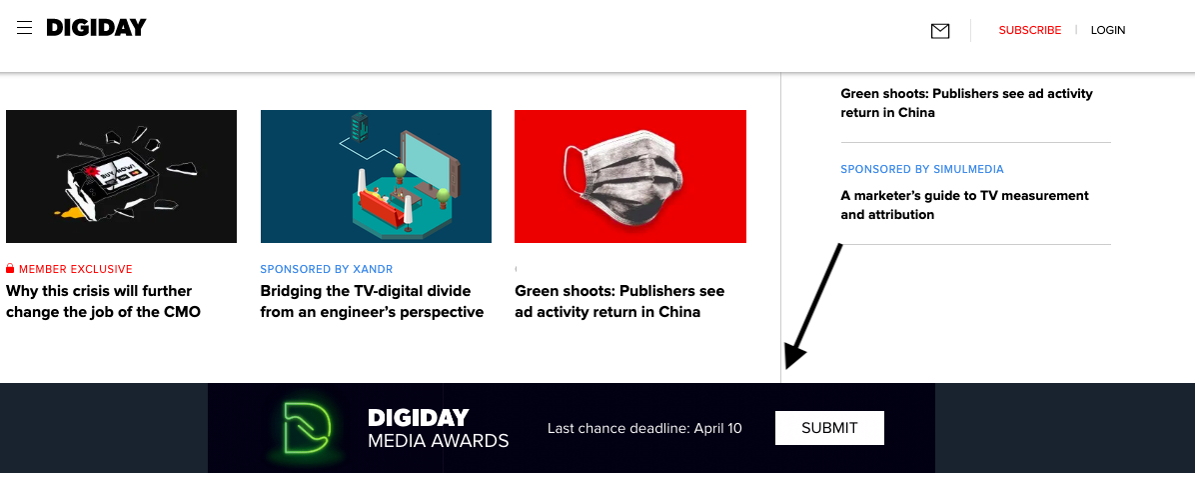
Banner blindness is a real phenomenon that can adversely impact your CRO. It occurs when people tend to ignore page elements that they perceive to be ads (either correctly or incorrectly).  

This long-known behavior is an instance of selective attention whereby people snack on the content on the website or page but ignore the CTA button which usually appears at the end of the site. 

The ad above, when displayed as a banner in the mid-section, integrates seamlessly with the rest of the blog content, which doesn’t come across as a typical ad at the bottom of the page. 

How to bypass this? 

Instead of adding your desired CTAs at the end of the page, weave them seamlessly in between paragraphs of content.  

That’s where text-based CTAs come in handy – referring to a standalone text line that acts as the CTA (hyperlinked to a specific landing page, or other actionable channels), styled as an H3 or H4.  

A limited study done by Hubspot revealed that this tip actually works – regular end-of-post CTAs copped just about 6% of leads compared to a whopping 93% of leads for anchor-text-based CTAs.  

  • Make lead flows a necessity on blogs. 

A consistent lead flow is vital to keep your visitors or potential leads engaged and interested in taking the desired action at any given time.  

How to bypass this? 

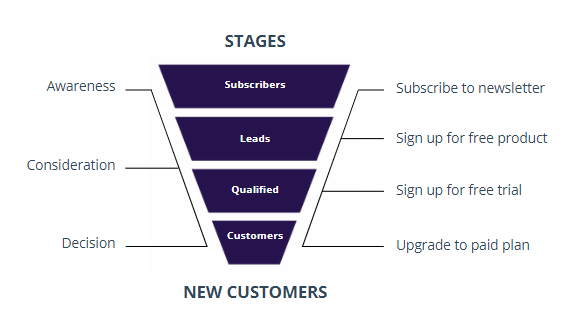
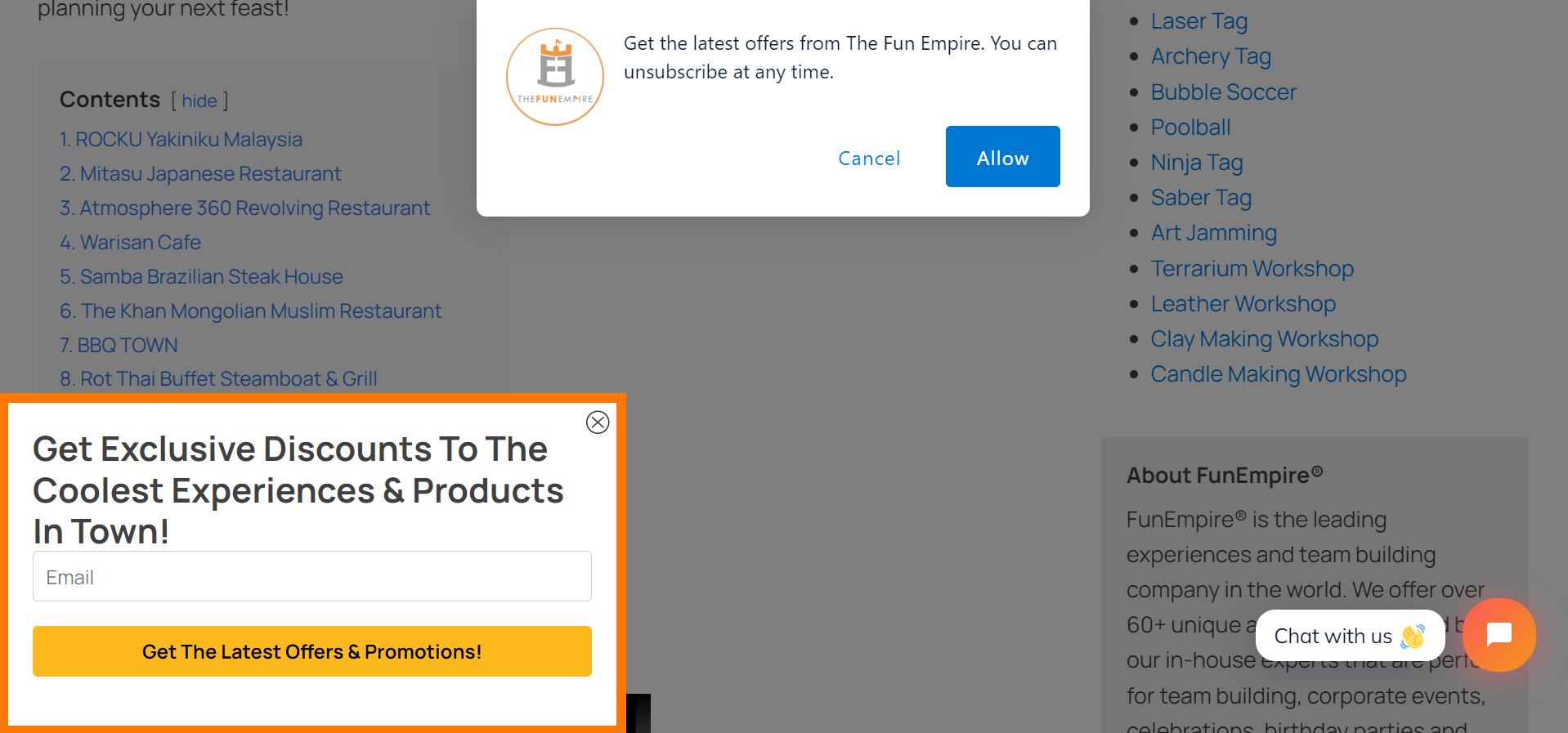
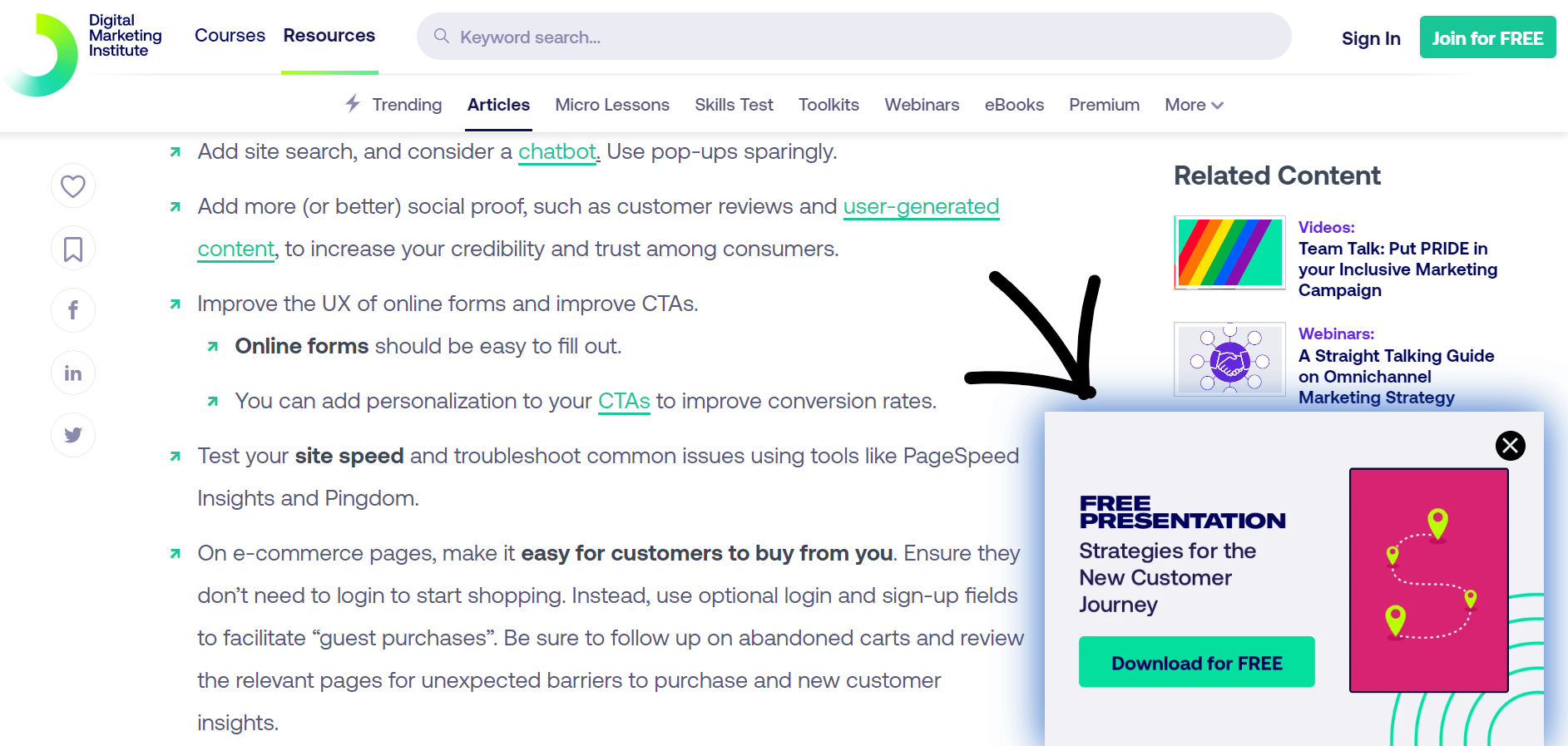
Examples of how you can ensure a coherent lead flow strategy are by using lead generation software tools such as chatbots, pop-ups, drop-down banners, or slide-in boxes. 

These tools even boost click-through rates and offer visitors alternate pathways to take towards the conversion funnel.  Here’s an example of how each stage may correspond to a specific CTA.  

  • Increase your website’s landing speed. 

In today’s competitive landscape, a couple of seconds worth of difference can cost you your lead. Therefore, optimizing for a faster loading speed makes a world of difference, particularly if your brand operates in a highly-competitive industry.  

How to bypass this? 

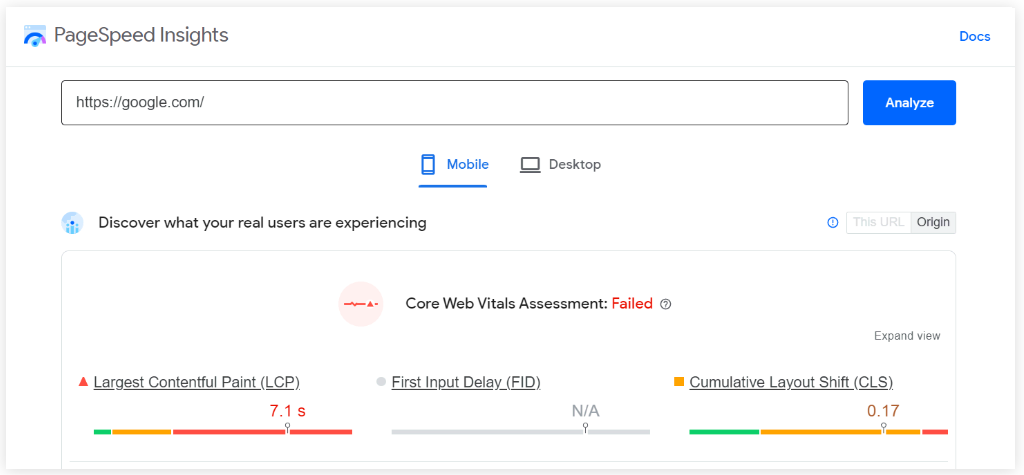
Take advantage of tools like Google’s PageSpeed Insights to accurately check your website’s loading speed, and then analyze which areas will need more improvement.  

Analytic tools such as these will help give you more insights into how the user encounters your site.  


  • Secure the site! 

If you have an online business, this step is a MUST. Web security is vital to consider to keep hackers and cyber thieves away from your customers’ sensitive information.  

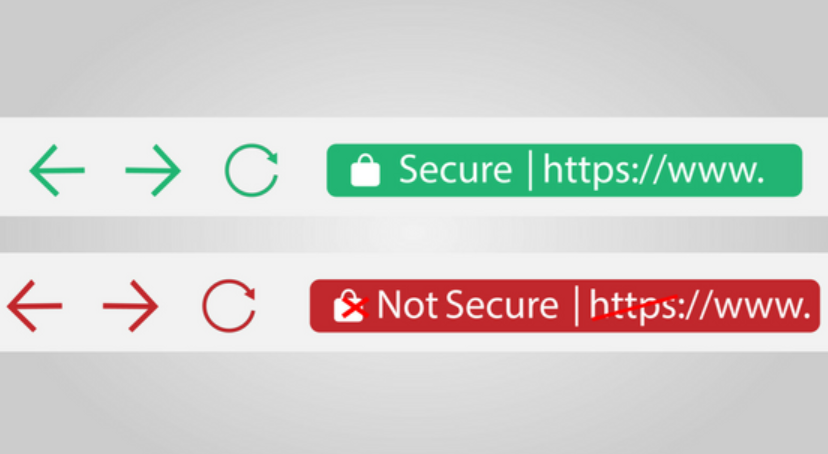
You can tell apart a secured site from an unsecured one by the following: 

  • Is the website an established authorized institution? 
  • Does the site content offer value? 
  • Does the site appear scammy or broken? 
  • Do the links look scammy when my cursor hovers over them? 

How to bypass this? 

To keep your website safe, use a secure URL. When visitors submit sensitive information, you need HTTPS not HTTP to deliver it.  

HTTPS (Hypertext Transfer Protocol Secure) is a protocol used to ensure security on the net. It prevents interceptions and interruptions online when content is being delivered or transferred from one party to another.  

Encryption is also a MUST. By having a Secure Sockets Layer (SSL) Certificate together with a secured URL, website visitors can be ensured of their privacy over the content in transit.  

Like everything else in digital marketing, CRO isn’t a quick magic fix. 

But we got your back anyway!

Although CRO isn’t a one-off activity, you can be assured that we will ride your digital journey from the start to its maturity, no matter how tough it may seem.  

Get in touch with our team of digital experts now from marketing specialists, and content creators to paid ads marketers right HERE!  

When it comes to choosing an advertising method for your business, the choices are endless. One of these advertising means is not a stranger to the digital marketing world – it is known as PPC or pay-per-click advertising.  

What is PPC? 

Essentially, PPC is an internet advertising model that enables advertisers to pay publishers each and every time an ad is clicked on the publisher’s sites – hence, the name pay-per-click. This model is used to generate traffic to various websites. The advertiser in this instance would be the business owner running the ads or the PPC agency managing the ads while the publishers would usually be search engines or website owners.  
Did you know that the first ad was launched in 1997 for AT&T’s “You Will” campaign?  

Fast forward to this year, small-medium businesses (SMBs) invest as much as $10k on PPC monthly. It makes sense, knowing PPC generates twice the number of visitors compared to search engine optimization (SEO), its long-term partner in driving traffic to web pages. 
Why does your business need PPC? 

Well, besides generating traffic to your brand websites/product information or your client’s websites, PPC’s end goal is to drive sales and generate revenue.  

  • PPC complements your SEO strategy  

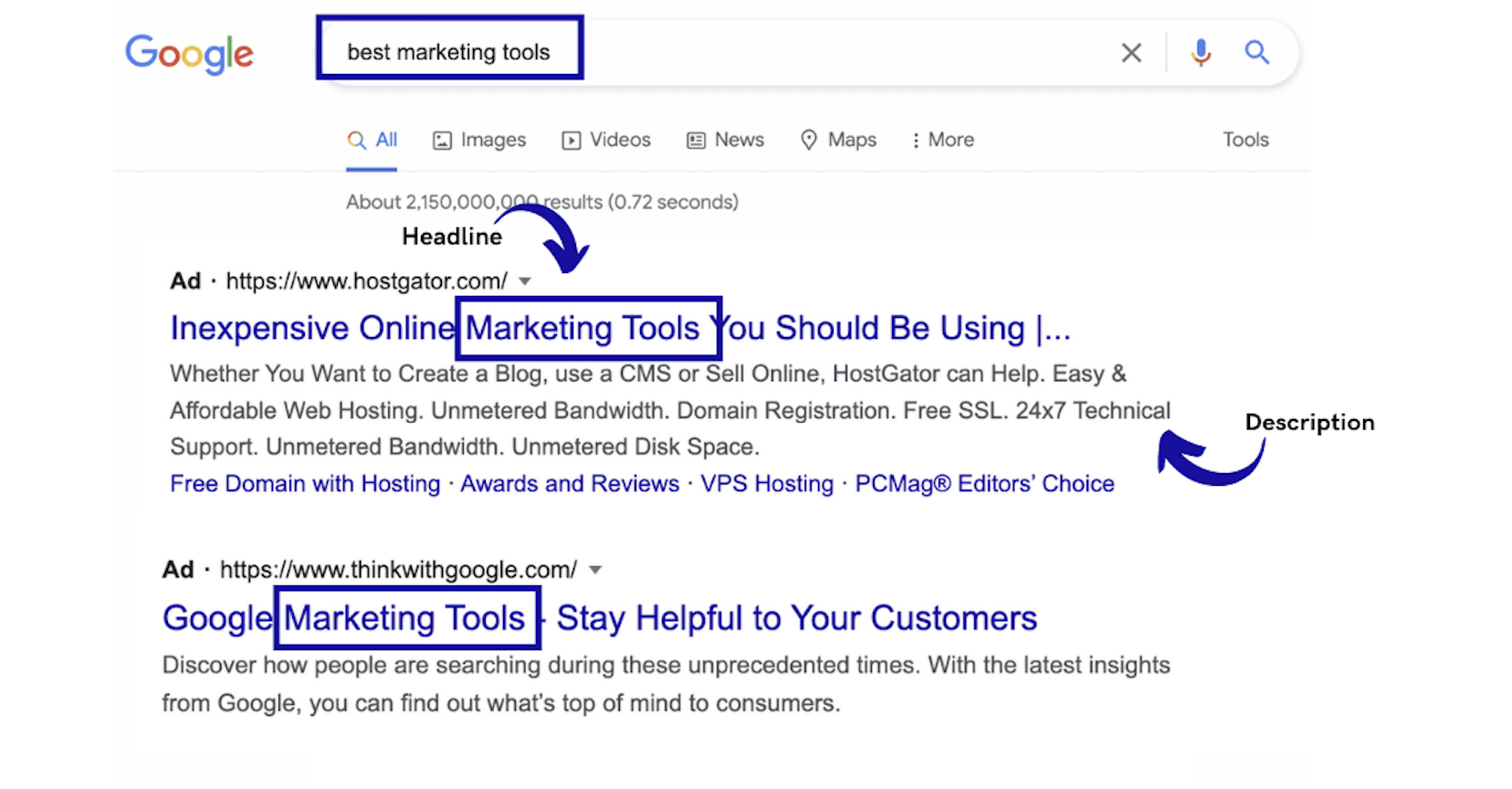
When done hand-in-hand, PPC and SEO complement each other – pay-per-click ads appear at the top of search engine result pages, meaning they are first seen by people who have typed in relevant keywords.  
Through investing in an SEO strategy, the keywords that matter to users and potential customers will also be transparent and found much more organically.  
  • Easily measure and optimize your campaign performance 

PPC can be very powerful for your online business, with easily accessible statistics, you are able to observe and optimize campaigns that are performing or not, and what traffic you are able to drive with the allocated budget. 

  • A cost-effective method of advertising 

PPC isn’t just effective, it’s also a cheaper way of advertising your business online. When someone clicks on the ad, that’s the only time you will be charged for it (when the advertising is successful).  

How to ensure your PPC campaign performs well?  

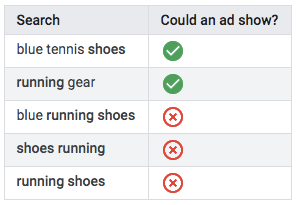
  • Include “negative keywords” in your PPC campaign.  

Just as they are keywords to target what a customer might input into the search engine platforms when searching for your product, there are keywords that you can specifically omit from your campaign called “negative keywords”.  

Here’s an example from a shoe brand. This allows advertisers to avoid audiences who are searching for “shoes running” or “running shoes”. 

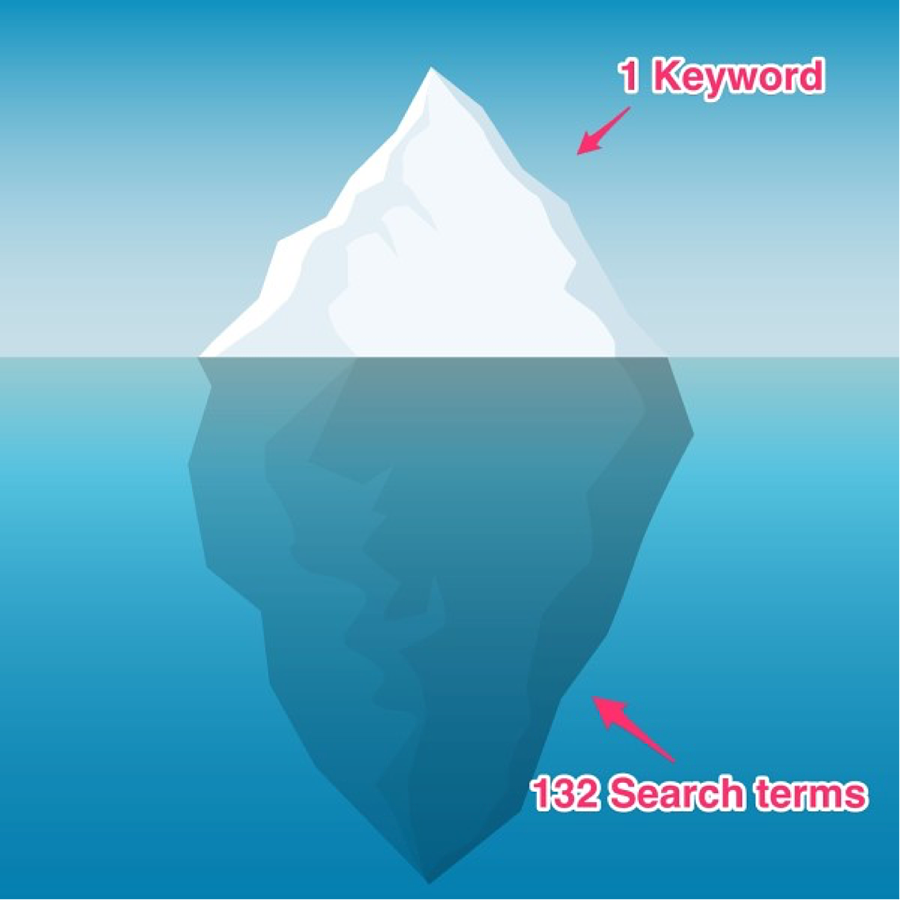
Your keyword is just the tip of the iceberg, but what’s hidden below is the uncontrollable search terms that aren’t specific to the keyword. The closer your ratio between search terms and keywords is the closer the relevance is, and that helps you with having a higher CTR. 

  • Keep tabs on conversions vs. sales. 

Ensure you’re putting your money where it matters most. Although keyword #1 has a lower cost-per-conversion, keyword #2 has a much higher sales rate, which is making you more money.  

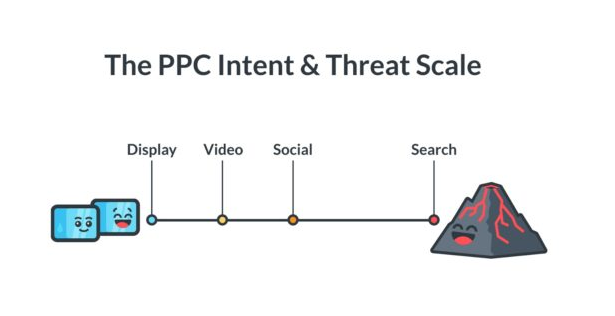
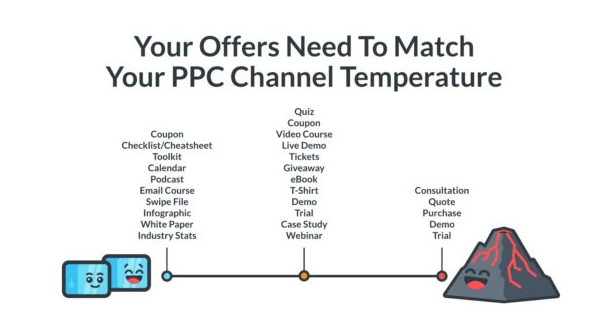
  • Gauge your visitors’ intent on the CTA temperature scale. 

Normally, the visitors that come from search tend to be warmer as compared to those who come from the display. The offers you give should match your PPC channel’s temperature to properly target these visitors with the CTA that appeals to them the most. 

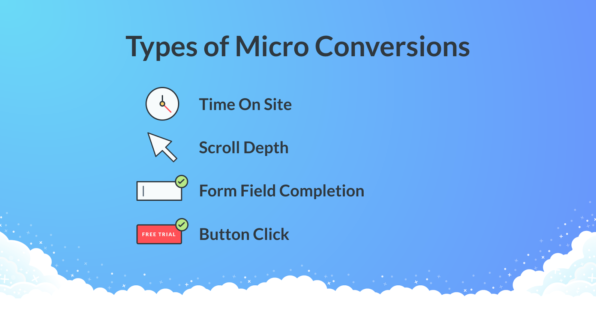
  • Use micro PPC conversions to break down the larger conversion into smaller pieces. 

These are some of the micro-conversions we can use to analyze the route towards converting a visitor. By breaking down large conversions into smaller, controlled conversions, you are able to solve the conversion friction and ease the bottleneck of acquiring a customer’s purchase. 

Sounds tough?

We’re here to show you it’s anything but! 

Whether it’s tackling the iceberg effect, optimizing where your budget is best placed on whichever targeting options or looking at what’s driving CTR, let us come in to solve your digital concerns now.  

Speak to our team of professional digital sleuths to up your business!